THE message was clear, with the Ipswich City Council formally adopting its long-awaited City Plan during last week’s Ordinary Meeting.
Described as a bold and visionary plan, it will come into legal effect on July 1.
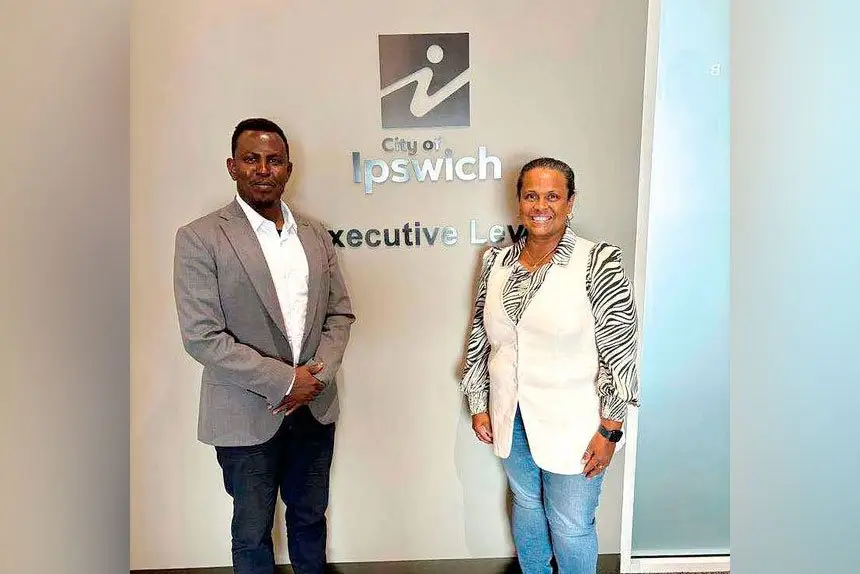
On its passing, Mayor Teresa Harding said it was a monumental day for the city.
“Today we go from having the oldest planning scheme in the State to having the newest,” she said.
Developed over seven years with extensive public consultation, the new planning scheme is designed to guide Ipswich’s rapid growth and development in line with modern planning principles and state legislation.
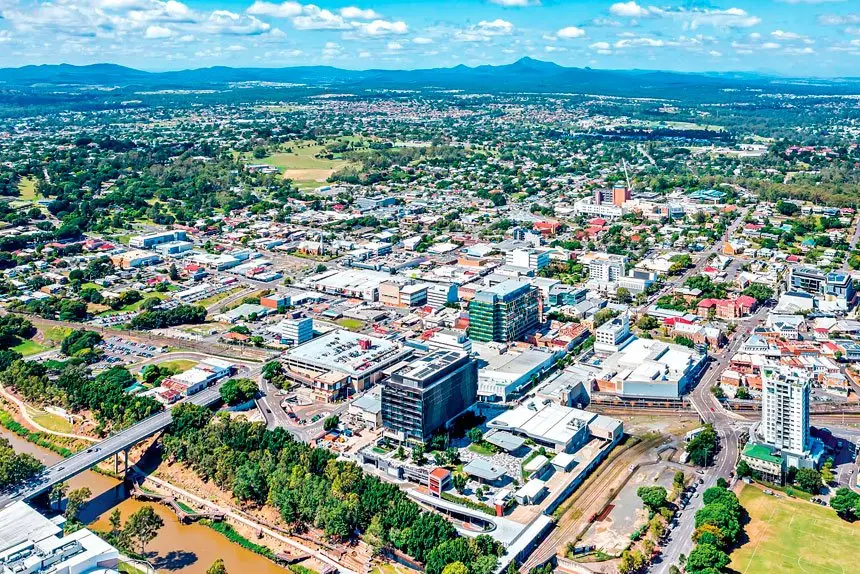
With Ipswich’s population expected to double from 265,000 to 535,000 by 2046, the City Plan provides a clear roadmap for managing this expansion sustainably.
The plan aligns with the ShapingSEQ 2023 regional forecast and aims to deliver a more diverse mix of housing options. This includes moving beyond traditional single- detached homes to better cater to the city’s changing demographics.
Ipswich is currently delivering about 50 new homes each week, and over the next 20 years, more than 100,000 new dwellings will be needed.
The planning scheme supports this by allowing dual occupancy options – with Council estimating that over 20,000 properties could qualify under the new rules.
Economic development is also a major focus of the plan. It identifies large areas for long-term industrial use, aiming to double the number of local jobs to nearly 150,000 to match population growth.
While high-rise development is currently limited by market conditions, the scheme allows for greater building heights and density in well-located areas with strong amenity.
Natural hazard resilience is another cornerstone of the plan. It incorporates findings from the Queensland Flood Commission of Inquiry and builds in protections against bushfires and floods through updated land use strategies.
Environmental sustainability is also addressed, with new overlays introduced to protect waterways, wetlands and wildlife corridors.
Infrastructure needs are tackled through a modernised Local Government Infrastructure Plan, which sets the foundation for improved delivery of roads, services and community facilities.
The plan also supports the transition to a circular economy by incorporating updated provisions for waste management and resource recovery.
Council has ensured that the community has been closely involved throughout the planning process.
These efforts included mail-outs to every ratepayer, pop-up events, community information sessions, and social media campaigns, with the plan aiming to ensure Ipswich is well prepared for the future.