

IPSWICH is facing a potential slowdown in vital community projects, with Council leaders warning that the end of a major Federal funding program could leave one of Queensland’s fastest-growing cities struggling to keep pace with demand.
The looming expiration of the Local Roads and Community Infrastructure Program (LRCIP) on June 30 has sparked concern from the Local Government Association of Queensland and local leaders, who say Ipswich communities stand to lose critical investment in roads, parks and public facilities.
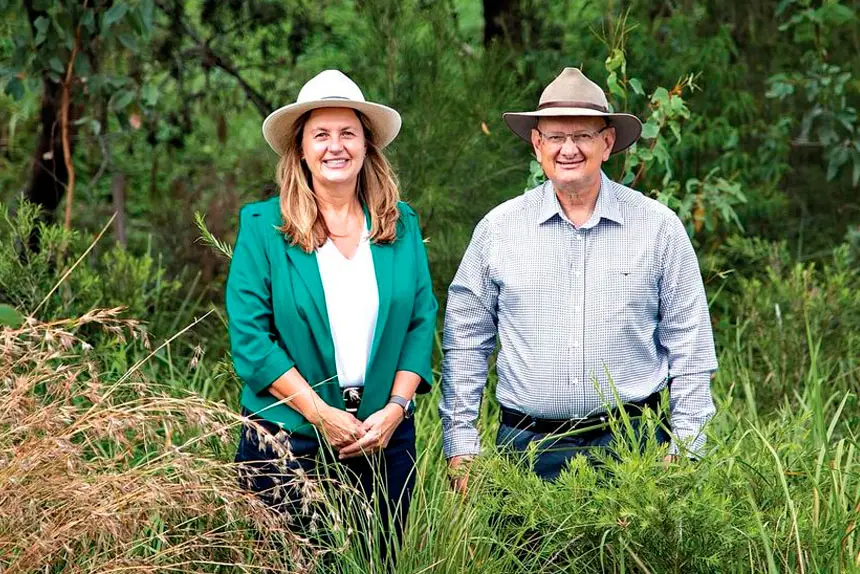
Ipswich Mayor Teresa Harding said the program has delivered tangible benefits across the city, funding upgrades that directly improve daily life for residents.
“The Local Roads and Community Infrastructure Program has delivered significant community benefits to our city, from upgraded green spaces and new clubhouses for sporting facilities to projects that reduce costs and emissions, like the rooftop solar system installed on our central library,” Cr Harding said.

“Without a continuation of this vital program, our resources will be stretched to unsustainable levels.
“Councils are being asked to deliver more services and infrastructure than ever before, often stepping in to support responsibilities that traditionally sit with the Federal Government.”
Ipswich’s rapid population growth has made it particularly vulnerable to funding gaps, with increasing demand for infrastructure across expanding communities.
Federal Member for Blair Shayne Neumann said the Federal Government remained committed to supporting councils, pointing to a range of funding initiatives.
“The Federal Government’s commitment to councils is substantial,” Mr Neumann said.
“Since coming to Government, we have doubled the Roads to Recovery Program to $1 billion annually, increased funding to the Black Spots Program to $150 million per year and created the Safer Local Roads and Infrastructure Program, which provides at least $200 million per year to address emerging priorities in road infrastructure.”
Statewide, the LRCIP has injected an estimated $668 million into Queensland’s economy, supporting thousands of jobs while improving local infrastructure.
However, local leaders say its impact is most visible in everyday community spaces, from safer footpaths and connected cycleways to upgraded parks and sporting facilities.
LGAQ President Matt Burnett said regional and fast-growing areas like Ipswich would be among the hardest hit if funding is not extended.
“This program is about more than roads and buildings – it’s about supporting jobs, strengthening local economies and ensuring communities remain liveable,” he said.
The association is now calling on the Federal Government to extend or replace the program.