RESIDENTS across Ipswich are being asked to look a little closer at what’s crawling, buzzing and wriggling around them – because their next backyard snapshot could help scientists discover a brand-new species.
The Great Bug Hunt, a national citizen-science project launched by Invertebrates Australia in partnership with Australian Geographic, is calling on schools, families and nature lovers to photograph and record invertebrates using the iNaturalist app.
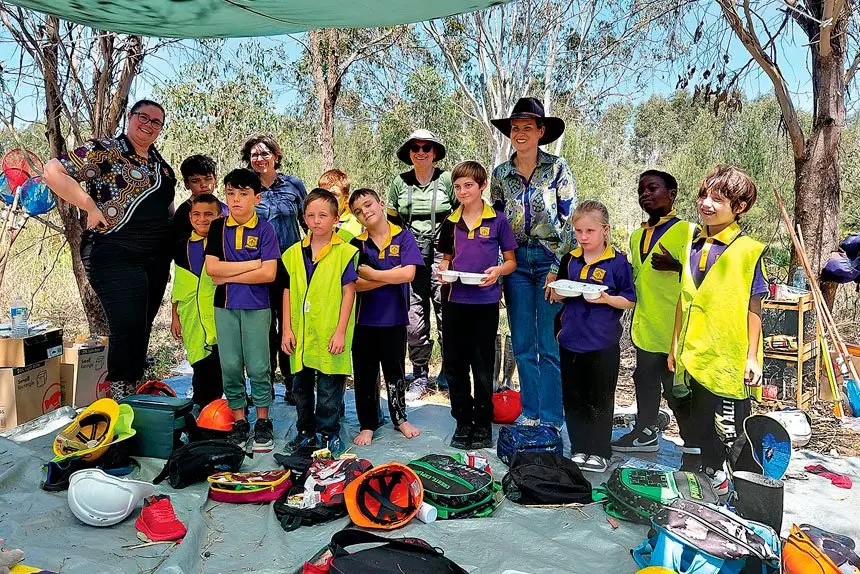
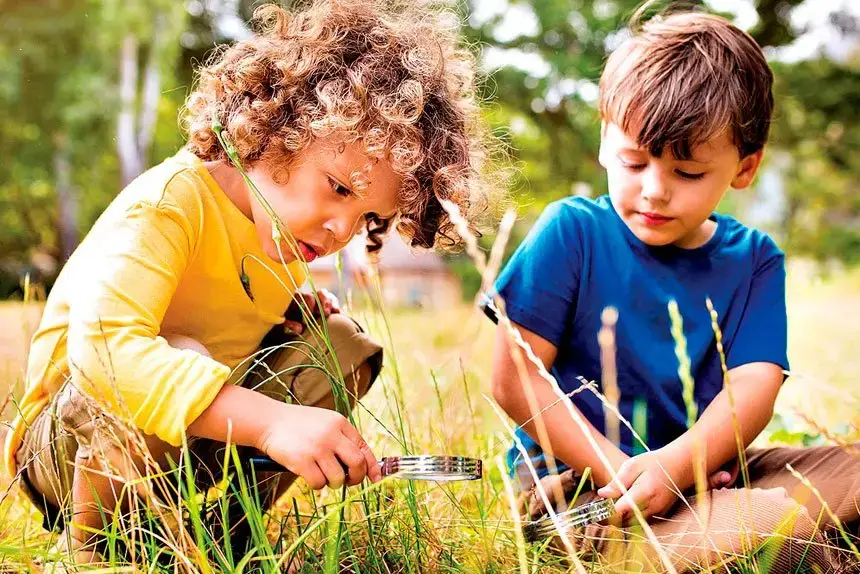
In Ipswich, that call has already been answered by curious kids armed with smartphones and magnifying glasses – and plenty of enthusiasm.
Ten-year-old Harper Marks from Silkstone said she’s already found “so many cool little bugs” just by looking more closely in her garden.
“I found a beetle under a rock that I’d never seen before,” she said.
“Now I want to find out what it is!”
Her classmate Eli Watkins, 11, said the project had changed how he saw nature.
“I used to think bugs were kind of gross,” he laughed. “But now I know they’re actually really important. They help the plants and animals around us.”
The pair’s excitement is exactly what organisers were hoping for, with around 70 per cent of Australian invertebrates, or roughly 200,000 species, unknown to science.
By snapping and uploading photos of everything from beetles to butterflies, Ipswich locals can help scientists identify new species and track the spread of invasive pests.
Invertebrates Australia describes it as “Aussie Bird Count meets biosecurity” – a nationwide community event that doubles as a real-time surveillance system for emerging threats.
“Every photo uploaded could be a new record, a new species or the first clue to the next invasive pest,” said a spokesperson from Invertebrates Australia.
“Fire ants, yellow crazy ants and wood borers were all first detected through public observations.”
The initiative will culminate in the first-ever Bugs in My Backyard Week, running from November 17-23, encouraging Australians to get outdoors and explore the miniature worlds hiding in gardens, schoolyards and local parks.
To take part, residents download the iNaturalist app, snap a photo of any invertebrate, and upload it.
Each observation is verified by experts and contributes to national biodiversity databases.
So next time you spot a beetle on a leaf or a spider in the shed – don’t squish it, snap it. You might just help uncover one of Ipswich’s hidden wonders.