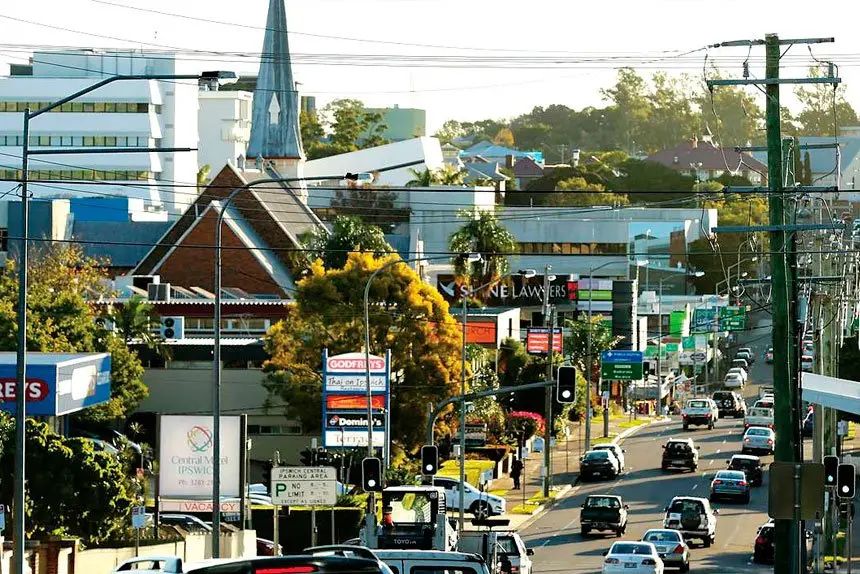
IPSWICH-BASED housing and homeless support service inCommunity Inc says its services have never been in such high demand.
A recent landmark study by Impact Economics titled Call Unanswered found numbers at risk of homelessness across the country had surged by 63%, with three million people at risk.
Having surveyed 23 specialist homelessness services over two weeks last month, results showed 83% of services were unable to answer all phone calls, 74% were unable to respond to urgent emails; and nearly 40% were forced to close their doors during operating hours.
Deputy CEO Nerissa Wade said inCommunity had expanded its services to meet the growing demand.
“The inCommunity Connect team, providing our specialist homelessness services, worked with close to 3000 people at risk of or experiencing homelessness in the 2023-2024 financial year,” she said.
“We’ve never seen demand like this in the 42-plus years we have been delivering specialist housing and homelessness services within Ipswich.
“We’ve also noticed an increase in the number of adults and families seeking to engage with our offerings that would not normally need to, or ever think they would have to.
“Through our early intervention work we are finding that many households experience only one change in circumstances that put their tenancy at risk.”
Ms Wade said the different cohorts experiencing homelessness were, unfortunately, expanding across the community.
“This year the Queensland Government increased its funding by 20% to specialist homelessness services, which is heartening in consideration of the huge demand at the moment.
“As we head into 2025 and with key indicators showing the housing and homelessness crisis is deepening, we urge the government to consider preventative and early intervention strategies that our organisation offers.”
Homelessness Australia CEO Kate Colvin said services in the sector were under-resourced, increasing the population at risk.
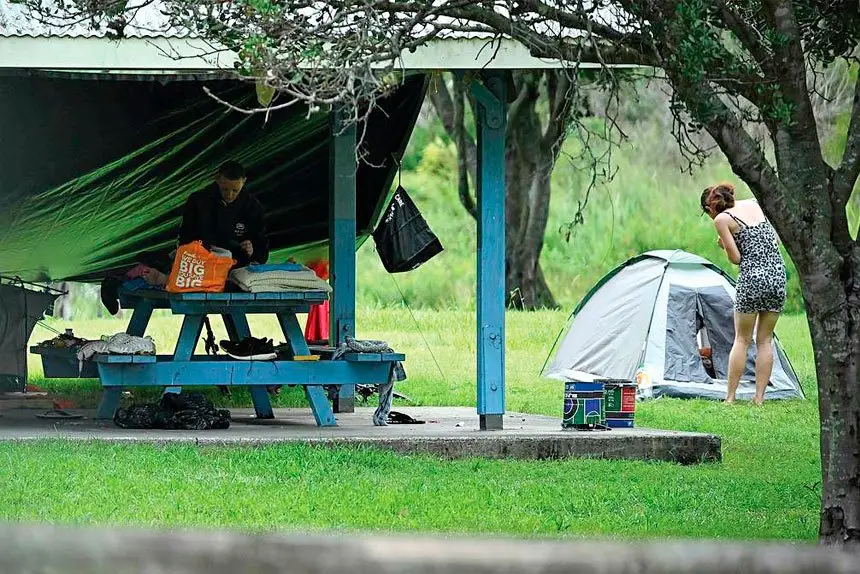
“People who could have afforded private rentals just a few years ago are now resorting to couch surfing, sleeping in cars or pitching a tent,” she said.
In Queensland, 715,067 residents were at risk of homelessness in the past year.