AS of right now, the Queensland property market remains robust, influenced by local demand, affordability, and broader economic factors.
While the national property market has experienced some fluctuations in recent months, Queensland stands out for its steady performance, particularly in key growth areas such as Brisbane and major regional hubs.
Despite a slight cooling in some property values across Australia in late 2024, Queensland has remained a standout performer. Brisbane, for instance, recorded a modest 0.1 per cent increase in property prices in the final week of December 2024, capping off an impressive 12 per cent year-on-year growth.
This demonstrates sustained demand for properties in the state, bolstered by population growth and interstate migration.
The Ipswich property market saw significant growth in 2024, driven by a mix of affordability, infrastructure development, and population growth. Located just 40km west of Brisbane, Ipswich has become a popular choice for first-home buyers, investors, and families seeking a blend of city convenience and suburban lifestyle.
In 2024, the median house price in Ipswich hovered around $500,000, representing a steady annual increase of 7 per cent. Key suburbs like Springfield Lakes, Ripley, and Yamanto were hot spots, benefiting from ongoing infrastructure investments such as new schools, hospitals, and the expansion of the Centenary Motorway.
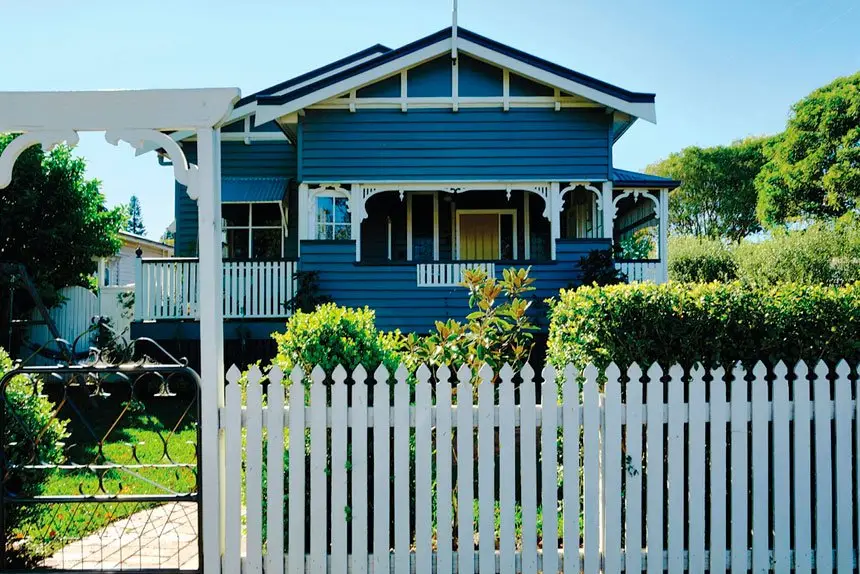
Additionally, the region’s diverse housing options, ranging from modern estates to charming Queenslanders, continue to attract a wide demographic.
Rental demand in Ipswich surged due to its affordability compared to Brisbane. Vacancy rates remained tight at approximately 1 per cent, with rents climbing by 10 per cent over the year.
This made Ipswich a location for property investors, particularly those seeking strong rental yields.
Looking ahead to 2025, the Ipswich property market is expected to maintain its upward trajectory.
Experts predict a 5-6 per cent growth in median house prices, underpinned by ongoing infrastructure projects like the Ipswich to Springfield rail line extension and the Inland Rail project.
Population growth is anticipated to remain strong, as Ipswich’s affordability continues to attract buyers priced out of Brisbane’s market.
However, rising interest rates and increasing construction costs may temper growth slightly. While demand is likely to remain robust, buyers and investors may approach cautiously.
Overall, Ipswich remains a promising market for those seeking value and long-term potential in South East Queensland’s dynamic property landscape.
Looking ahead, property market analysts have provided optimistic forecasts for Queensland in 2025.
Australian home prices are expected to rise steadily over the next two years, supported by tight supply and anticipated interest rate cuts.