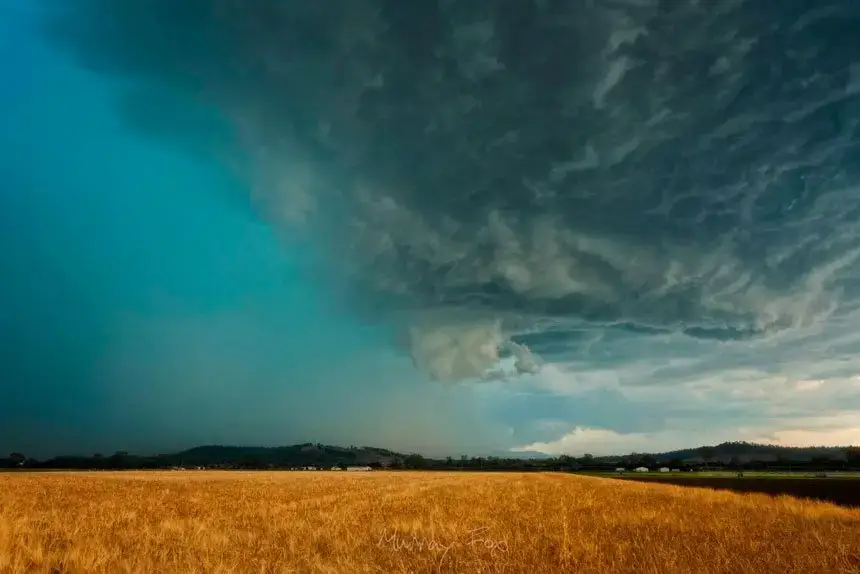
AFTER wild storms lashed the Ipswich region in recent weeks – toppling trees, flooding streets and leaving homes without power – the Salvation Army is urging residents to brace for more severe weather in the months ahead.
The Salvation Army Emergency Services (SAES) says the official disaster season has only just begun, and with forecasts predicting a hot, volatile summer, now is the time to prepare.
The Bureau of Meteorology’s outlook for the High Risk Weather Season, which runs from October to April, warns of increased bushfire danger, heightened heat risks, and a greater chance of flooding.
SAES Head Daryl Crowden said households shouldn’t wait until disaster strikes to get ready.
“Severe weather events can happen at any time during the year, but the highest likelihood of extreme disasters like flooding, tropical cyclones, heatwaves and bushfires occurs between October and April,” Mr Crowden said.
“The Salvos have seen this impact firsthand, supporting individuals, families and communities for the last 130 years.”
Mr Crowden stressed that preparation, not panic, was the goal.
“We don’t want people to be alarmed – we want them to be ready,” he said. “Simple steps like making an emergency ‘go bag’, keeping key documents handy, and having food, water and cash for a few days can make a huge difference if services are disrupted.”
The Salvation Army has a long history of stepping in when disaster strikes – from Cyclone Tracy and the Black Summer bushfires to the 2022 Queensland and NSW floods. Over the past three years alone, SAES teams have provided more than 380,000 meals and refreshments and supported 75,000 people, backed by over 10,000 volunteers contributing 68,000 hours of service.
The organisation has developed a suite of online resources to help households prepare for extreme weather.
“Small, practical steps can make a huge difference,” Mr Crowden said. “And don’t forget to check in on elderly or vulnerable neighbours – we get through disasters best when we look out for each other.”