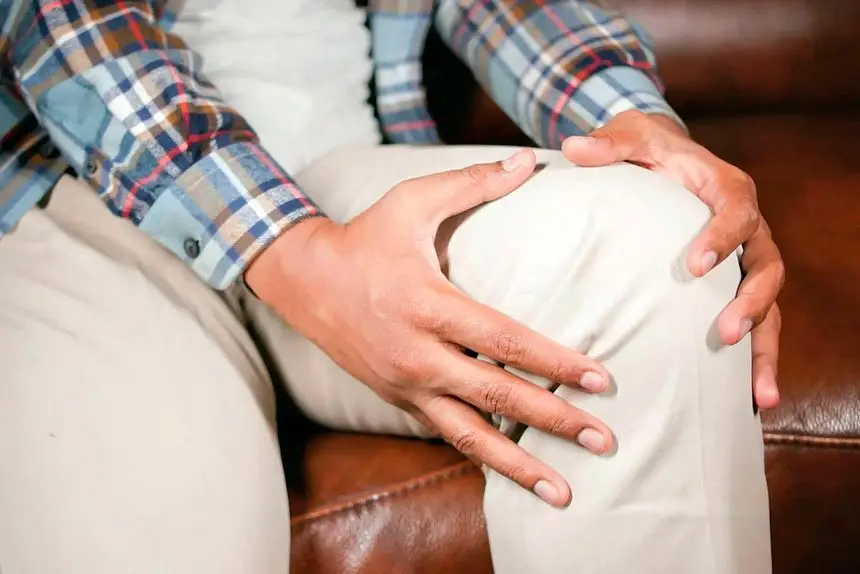
Maintaining healthy knees is paramount for overall mobility and quality of life, particularly as individuals age or engage in physical activities. Understanding knee care and the intricacies of knee reconstruction surgery is pivotal for injury prevention and condition management.
Preventive measures are pivotal in safeguarding knee health. Regular exercise, focusing on strengthening muscles around the knee joint like the quadriceps and hamstrings, aids in stabilizing the knee and mitigating injury risk. Low-impact activities such as swimming, cycling, or walking are especially beneficial, minimizing strain on the joints.
Additionally, maintaining a healthy weight is crucial for alleviating stress on the knees. Excess body weight exacerbates knee pain and heightens the risk of conditions like osteoarthritis. A balanced diet, rich in nutrients like calcium and vitamin D, supports bone and joint health.
Furthermore, practising proper form and technique during physical activities helps prevent knee injuries.
Whether running, jumping, or weightlifting, maintaining alignment, and avoiding abrupt movements or overexertion reduces the likelihood of strains, sprains, and other injuries.
Despite preventive measures, certain injuries or conditions like ligament tears or cartilage damage may necessitate surgical intervention, such as knee reconstruction surgery.
This procedure involves repairing or replacing damaged ligaments, tendons, or cartilage to restore knee stability and function.
During knee reconstruction surgery, the orthopaedic surgeon initiates by making small incisions around the knee to access damaged structures.
Depending on the injury’s extent, the surgeon may repair torn ligaments using sutures or grafts from the patient’s tissue or a donor. In severe cases, partial or total knee replacement may be necessary, replacing damaged cartilage and bone with prosthetic implants.
Post-surgery, rehabilitation is integral to the recovery process. Physical therapy exercises aim to strengthen knee muscles, enhance range of motion, and restore function. Patients may also utilize assistive devices like crutches or braces to support the knee during healing.
In summary, prioritizing knee health through preventive measures like exercise, weight management, and proper technique is imperative for injury prevention and condition management.