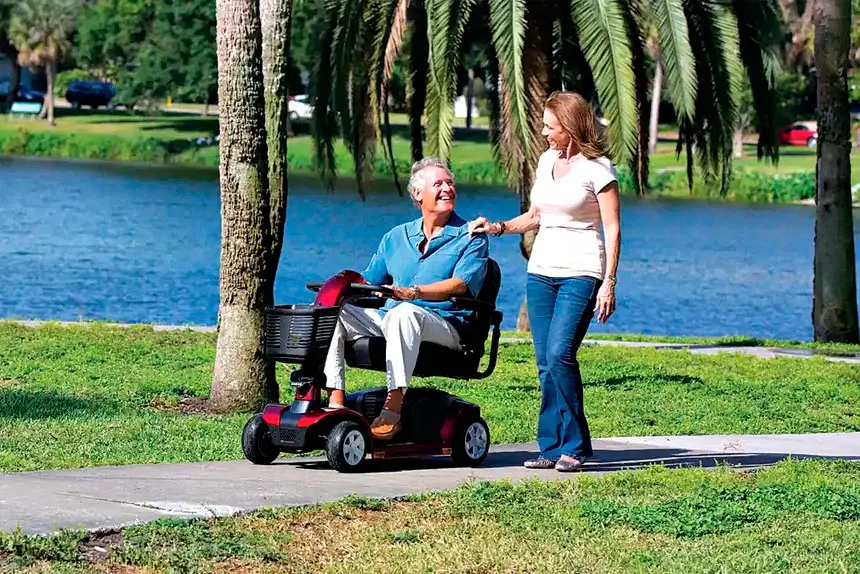
ACROSS Australia, people are living longer and embracing lifestyles that prioritise health, independence, and community connection.
For older adults and people living with disabilities, staying mobile is more than a fitness goal – it’s central to maintaining autonomy, social engagement, and quality of life.
MOBILITY TECH IS TAKING OFF
Assistive technology is transforming how Australians navigate daily life.
Advanced walking aids, powered wheelchairs, and smart mobility devices are making movement safer and more flexible than ever.
Smart canes and walkers now include sensors to detect obstacles, while exo-skeletons and mobility suits are helping people regain strength and confidence in walking.
Navigation apps designed for wheelchair users are also enabling independent travel in both urban and regional areas.
Uptake of mobility technology among older Australians has grown significantly in recent years, reflecting a broader cultural shift toward tech-assisted independence.
INCLUSIVE FITNESS AND RECREATION PROGRAMS
Fitness is no longer a one-size-fits-all concept.
Gyms, community centres, and sporting organisations are expanding programs specifically for older adults and people with disabilities.
Adaptive sports leagues – from wheelchair basketball to boccia – are providing both physical benefits and social connections.
Water-based fitness programs, gentle yoga, and low-impact pilates are helping improve balance, reduce falls, and maintain cardiovascular health.
Virtual and hybrid exercise classes allow people to participate from home, removing geographical and mobility barriers and making it easier than ever to stay active.
MOBILITY-FRIENDLY URBAN DESIGN
Urban planning is increasingly factoring in accessibility, ensuring cities and towns are easier for everyone to navigate.
Many councils are implementing wider footpaths, ramps, tactile indicators, and accessible public transport, while mobility hubs are combining accessible parking, rest stops, and community services in one convenient location.
Shared mobility programs, including accessible e-scooters and e-bikes, are being trialled in major cities to offer flexible and independent transport options.
These changes make it easier for older Australians and people with disabilities to get out and about safely and confidently.
SOCIAL CONNECTION THROUGH MOVEMENT
Remaining mobile is closely linked to social wellbeing.
Community walking groups, senior exercise clubs, and disability-focused outdoor adventures not only improve fitness but also reduce isolation.
Programs such as Walking for Wellness and national disability sports initiatives combine gentle exercise with social engagement, offering participants the chance to connect with others while staying active.
Many councils report higher participation rates among older adults, highlighting that the social element is just as important as physical activity in motivating people.