WHEN it comes to reducing our energy bills and tackling climate change, the answer may be closer to home than we think.
Passive energy use in housing is an approach that harnesses natural forces like sunlight, airflow, and insulation to heat and cool living spaces – without heavy reliance on mechanical systems such as air-conditioners or heaters.
In Australia, where we face both scorching summers and chilly winters, passive design principles can make homes more comfortable while cutting down energy demand.
Instead of forcing indoor climates with artificial heating or cooling, passive energy design works with nature. It begins with house orientation – placing living spaces to capture winter sun while blocking harsh summer rays.
Roof overhangs, pergolas, and strategically planted trees provide seasonal shade.
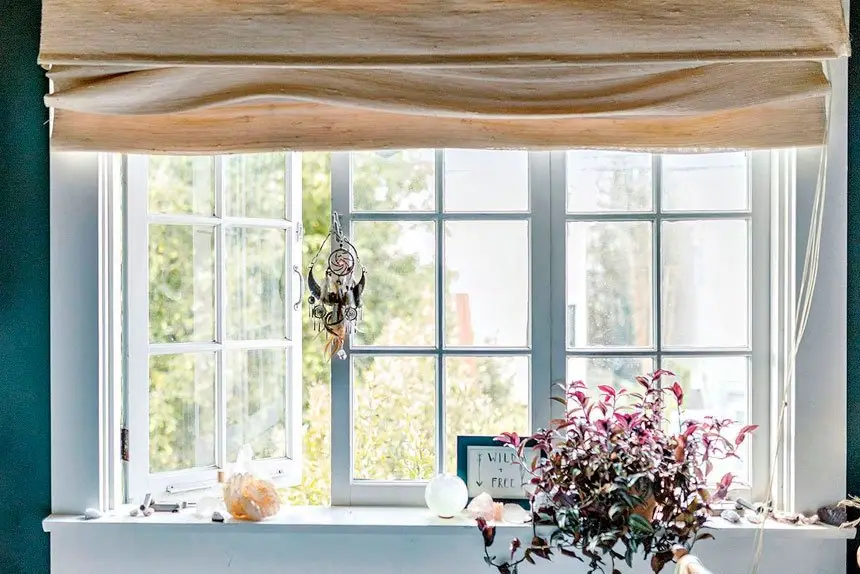
Windows also play a starring role. North-facing windows let in winter warmth, while cross-ventilation allows cool breezes to flow during summer evenings.
Insulation and double glazing help lock in comfort, keeping homes warmer in winter and cooler in summer.
Even the choice of building materials – such as high-thermal-mass concrete or brick – can absorb daytime heat and release it slowly at night.
The benefits stretch far beyond personal comfort. By reducing the need for air-conditioners and heaters, households can significantly lower electricity use, cutting greenhouse gas emissions.
According to the CSIRO, households designed with strong passive principles can reduce their energy use by up to 40 per cent compared to standard builds.
As Australia grapples with rising energy costs and the urgent need to address climate change, passive energy use represents a practical, affordable, and environmentally friendly solution.
The beauty of passive design is that once it’s built in, it costs nothing to run.
Passive Energy in the Home
- What is it?: Designing homes to naturally heat, cool, and ventilate spaces.
- Key principles: Orientation, shading, insulation, cross-ventilation, and thermal mass materials.
- Benefits: Lower energy bills, year-round comfort, reduced carbon emissions.
- Impact: Can cut household energy use by up to 40%.
- Good to know: Passive design works best when planned from the start of a build, but many elements can be retrofitted.