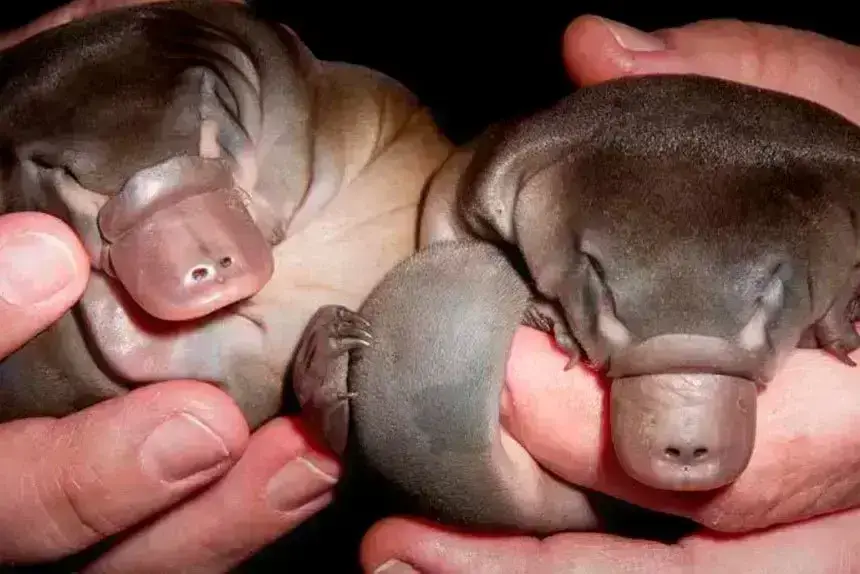
FEARS that platypus populations were completely wiped out by the 2022 floods may have been premature, with new research showing numbers in the region are “holding on”.
A breakthrough environmental DNA (eDNA) monitoring program, first used in Ipswich, is being expanded across more than 200 sites throughout South East Queensland under the $1.2 million Resilient Rivers SEQ initiative, jointly funded by the Federal and State Governments and the Council of Mayors.
Ipswich will remain a crucial part of the program, with additional monitoring sites now in Brisbane, Logan, and Moreton Bay as scientists ramp up efforts to protect the elusive national icon.
The Wildlife Preservation Society of Queensland (Wildlife Queensland) last year warned the platypus was “under serious threat” and urged the Queensland Government to take immediate action to prevent “potential local extinctions”.
Recent reports from Ipswich City Council monitoring projects held fears the platypus had disappeared from Ipswich waterways,with only one site where platypus DNA was detected, at Wacol in Brisbane, and no platypus DNA detected in the stronghold populations previously in Ipswich’s Woogaroo, Opossum and Sandy creeks.
Wildlife Queensland Platypus Officer Tamielle Brunt said this year’s eDNA sampling by Ipswich City Council’s annual program was positive, with Bundamba, Six Mile and Sandy Creeks detecting platypus DNA at multiple locations.
“They are holding on in the region,” Dr Brunt said.
“We had a good result of 13 sites with DNA detection this year.
“The worrying waterways are Woogaroo and Opossum Creeks, with only one positive out of 13 sampled sites.”
Dr Brunt said it was difficult to determine whether platypus were moving back to Ipswich waterways after the devastation of the 2022 floods and how the floods impacted the populations.
“They know how to navigate such weather events. It’s now the frequency and severity that continues to degrade their habitat,” she said. “In a connected waterway, they can move in and out of systems and I’m sure they know how to navigate flood and drought.
“But with the compounding threats of continued habitat degradation, water usage etc. they are being pushed to their threshold.
“But we are still trying to piece together the puzzle of our Queensland platypus.”
Ipswich Mayor Teresa Harding said the city’s eDNA monitoring program would become part of the largest research program into platypus and other native aquatic species in Queensland, including waterways from all 11 South East Queensland councils.
“Ipswich City Council has been a pioneer in this space, as we have been using eDNA monitoring for the past decade to detect the presence of platypus in our waterways, and to also look at water quality and riparian vegetation,” Cr Harding said.
She said there would be five locations along Woogaroo Creek, two locations on the Bremer River, two locations on Purga Creek, one location on Western Creek and one location on Bundamba Creek included in the latest project.
“The (extended) study will forge a roadmap for the future conservation efforts of South East Queensland councils.”