National Seniors Australia
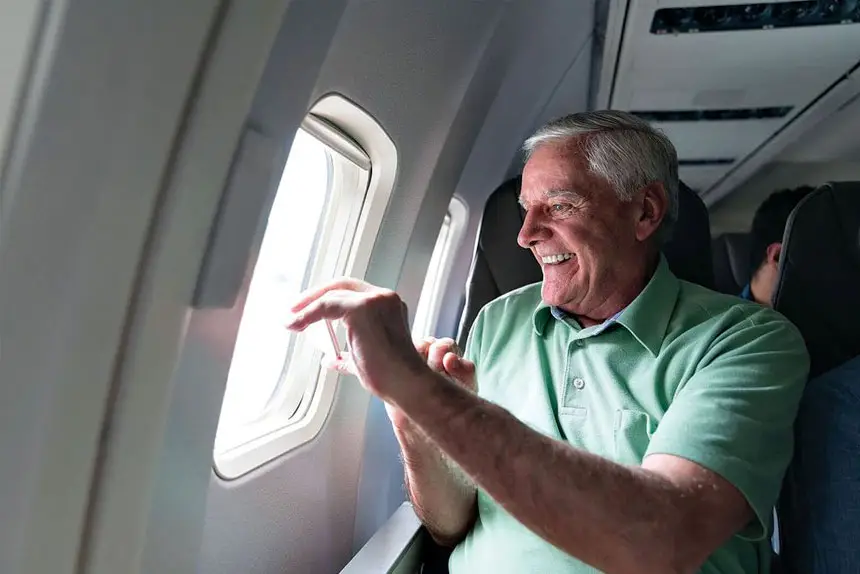
AUSTRALIANS love to fly – especially retirees eager to explore their own backyard.
The rise of the “grey gap year”, self-guided trips, and the convenience of domestic flights has made seniors a key force in the tourism market, particularly for regional and short-haul holidays.
But those planning to hit the skies should brace for turbulence – in the form of rising ticket prices.
Australia’s airline sector is struggling with a familiar problem: too few carriers, weak competition, and deliberate limits on services and seats that haven’t kept pace with population growth and demand.
Add soaring airport redevelopment costs and largely unregulated airport monopolies in major cities, and the result is higher prices passed on to travellers.
The Australian Competition and Consumer Commission (ACCC) has raised the alarm in a Senate submission, warning that it “no longer acts as a restraint” on airport monopolies.
“The existing framework, based on ACCC monitoring and reporting, no longer acts as a constraint on behaviour because there is less of a threat of regulatory action than there was when the regime was first introduced over two decades ago,” the ACCC told parliament.
To tackle this, the ACCC has called for new powers, including a commercial arbitration scheme to bring airports and airlines together – a proposal it has been advocating since 2019.
Airports themselves are undergoing massive infrastructure upgrades, with $19 billion planned.
The ACCC predicts airlines will pass these costs onto travellers, while the four major airports – Sydney, Melbourne, Brisbane, and Perth – continue to enjoy geographic monopolies.
“An airport not constrained by competition or regulation could be expected to exercise its market power to earn monopoly profit to the detriment of airport users and the broader economy,” the ACCC warned.
Competition among airlines is no better. Recent attempts by Rex to expand intercity routes, and Bonza’s exit from budget leisure markets, underscore the challenges for smaller carriers, leaving a duopoly that the ACCC says keeps fares artificially high.
Consumer protections also need a lift, the report notes. The Federal Government’s proposal for an Aviation Consumer Ombudsperson would give travellers, particularly in regional areas, a fairer way to resolve complaints and disruptions.
Funded by airline members and complaint volumes, the scheme aims to improve dispute resolution.
For Australians planning their next adventure, the message is clear: flying might get more expensive and complaints harder to ignore – unless regulators get the tools they need to keep the skies competitive.