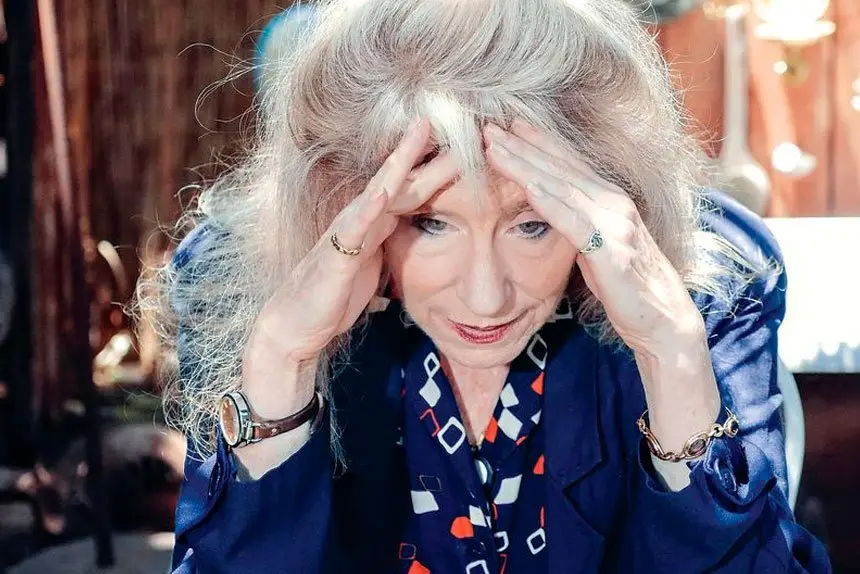
AS we age, life changes can bring new challenges that affect mental health.
Loneliness, depression, and anxiety are common among seniors, often arising from changes in lifestyle, health, or social connections.
Recognising and addressing these feelings is vital for maintaining emotional wellbeing and quality of life.
UNDERSTANDING LONELINESS
Loneliness can occur even when you are surrounded by others. It often stems from the loss of a spouse, family moving away, or reduced mobility that limits social activities. Acknowledging these feelings without judgment is the first step towards finding solutions.
COMBATTING DEPRESSION
Depression may feel like a heavy cloud that dims enthusiasm for life. It’s not just a passing mood but a condition that requires attention. Symptoms like prolonged sadness, lack of energy, or difficulty concentrating should prompt action. Talking to a healthcare provider is essential, as treatments range from counselling to medications tailored for seniors.
MANAGING ANXIETY
Anxiety can increase with age, particularly during health scares, financial concerns, or adapting to new environments. It often manifests as excessive worry, restlessness, or physical symptoms like a racing heart. Relaxation techniques such as deep breathing, meditation, or gentle yoga can help manage anxiety.
STEPS TO WELLBEING
- Stay connected: Join community groups, volunteer, or reach out to friends and family regularly. Technology, like video calls, makes staying in touch easier than ever.
- Maintain physical activity: Exercise releases endorphins, the body’s natural mood boosters. Even a daily walk can help improve your mood.