Let’s fact it, after a lifetime of cooking, many of us are ready to hang up our chef’s hat and get frozen or takeaway meals. These days, there is such a variety of good quality meals available for purchase, it can be a joy discovering how we will tempt our tastebuds.
Nevertheless, to maintain good health, it is imperative to keep an eye on the ingredients in our meals and basically keep a balanced diet.
Below is a general outline of the foods that will hopefully, keep you fit and well.
EMBRACE A BALANCED DIET
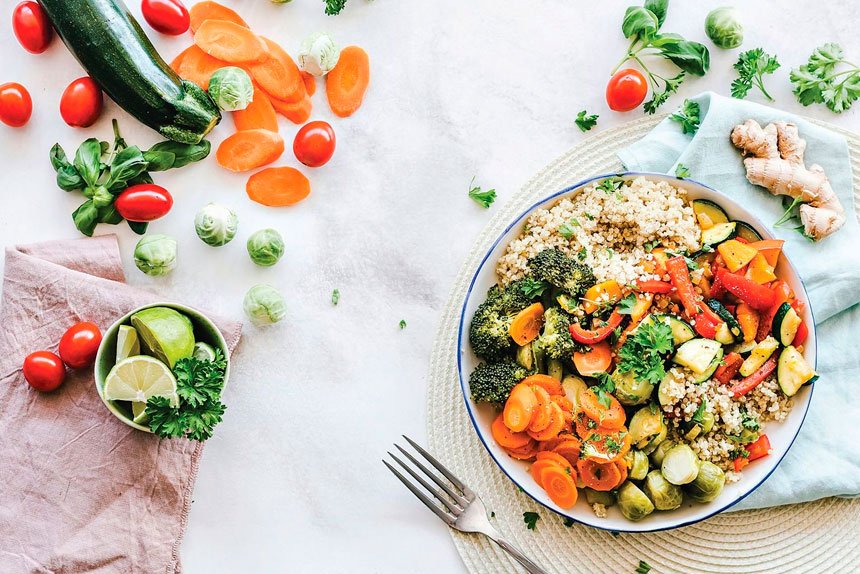
A balanced diet rich in fruits, vegetables, whole grains, lean proteins, and healthy fats is vital. These foods provide essential vitamins, minerals, and antioxidants that support overall health. Aim for a colourful plate to ensure a variety of nutrients.
STAY HYDRATED
Dehydration is a common issue among seniors. Drinking adequate water helps maintain bodily functions and prevents urinary and kidney problems. Herbal teas and water-rich foods like cucumbers and melons can also contribute to hydration.
PRIORITISE PROTEIN
Protein is crucial for maintaining muscle mass, which tends to decrease with age. Include sources like fish, poultry, beans, and nuts in your diet. Protein-rich snacks such as Greek yogurt or cottage cheese can be beneficial.
BOOST CALCIUM AND VITAMIN D
Bone health becomes a significant concern with aging. Calcium and Vitamin D are essential for bone strength. Dairy products, leafy greens, and fortified foods are excellent sources. Sun exposure and supplements can also help maintain adequate Vitamin D levels.
FIBRE IS YOUR FRIEND
A fibre-rich diet aids in digestion and prevents constipation. Whole grains, fruits, vegetables, and legumes are great sources of fibre. They also help control blood sugar levels and reduce cholesterol.
LIMIT ADDED SUGARS AND SALT
Excessive sugar and salt can lead to chronic conditions like diabetes and hypertension. Opt for natural sweeteners like honey or fruit and use herbs and spices to flavour your meals instead of salt.
CONSULT WITH A PROFESSIONAL
Regular check-ups with a healthcare provider or a registered dietitian can provide personalised dietary advice. They can help address specific nutritional needs and manage health conditions effectively.