MANY years ago, the average house size was much smaller, and many seniors recall growing up in modest homes.
Despite larger families, children often shared bedrooms – sometimes two or even three to a room.
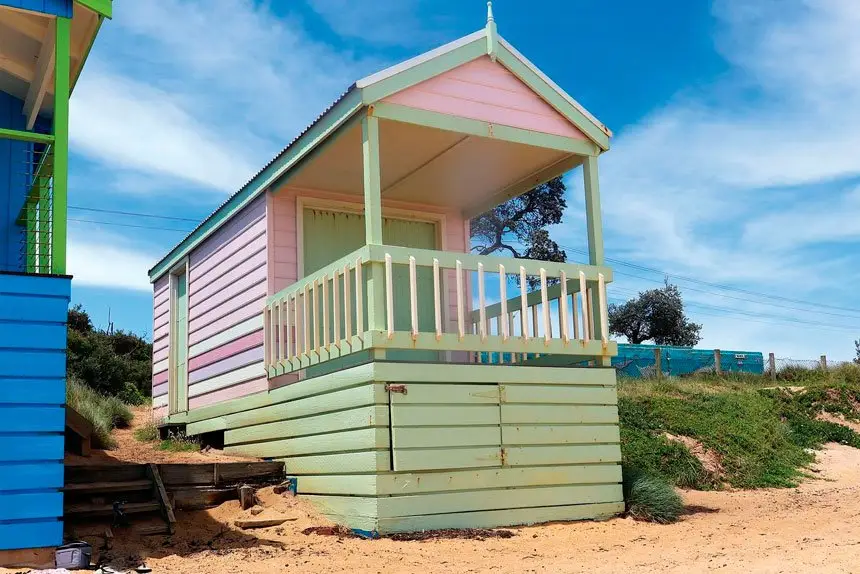
Housing in those days typically consisted of a lounge/dining room, kitchen, a couple of bedrooms, and perhaps a verandah.
In the earliest years, there was often an outside toilet (a “dunny”) and a separate laundry or shed large enough to store the mower, all situated on a spacious quarter-acre block.
Garages were rare, as personal vehicles were less common.
Contrast that with today’s housing estates: sprawling, high-density homes with numerous extra rooms, all squeezed onto a 400sqm block. Along with this dramatic reduction in land size comes a lack of street parking, and narrow roads that barely allow two cars to pass.
Some councils are now allowing smaller houses to be built on larger blocks to accommodate seniors in their later years.
These dwellings, often positioned at the rear of a family home, sometimes include covered walkways linking them to the main house – a practical arrangement for an elderly person to live out their days.
However, there are potential pitfalls in this scenario, and families should carefully consider the implications. The structure itself may be the least of their concerns.
Issues related to wills, marriage breakdowns, Centrelink and tax regulations, as well as the time and effort required for home care, must all be taken into account.
Families should also reflect on their relationships. What happens if a spouse leaves the marriage? What if the main home needs to be sold? How can disputes be resolved amicably?
These and many other questions should be addressed long before finalising plans for the new dwelling.
Having a relative move in – whether in a separate dwelling or just a single room – raises numerous challenges beyond construction costs, rent, and food expenses.
Will both spouses be completely on board with this arrangement? How will it impact family dynamics, daily routines, and responsibilities for caregiving?
Ultimately, while smaller houses on larger blocks offer a practical solution for aging family members, careful planning and open discussions are essential to ensure a smooth transition and harmonious living arrangement.