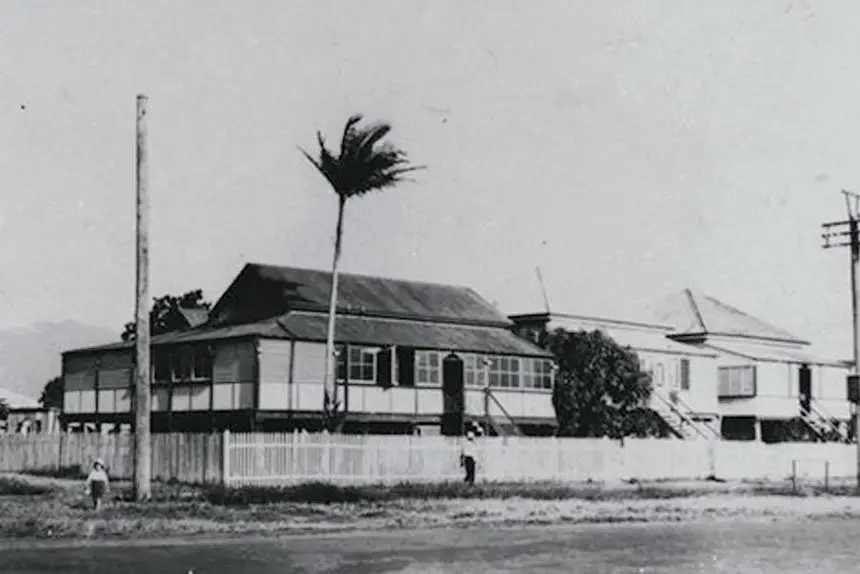
THE average Australian household size has decreased from 4.5 people per household in 1911 to 2.5 people in 2024.
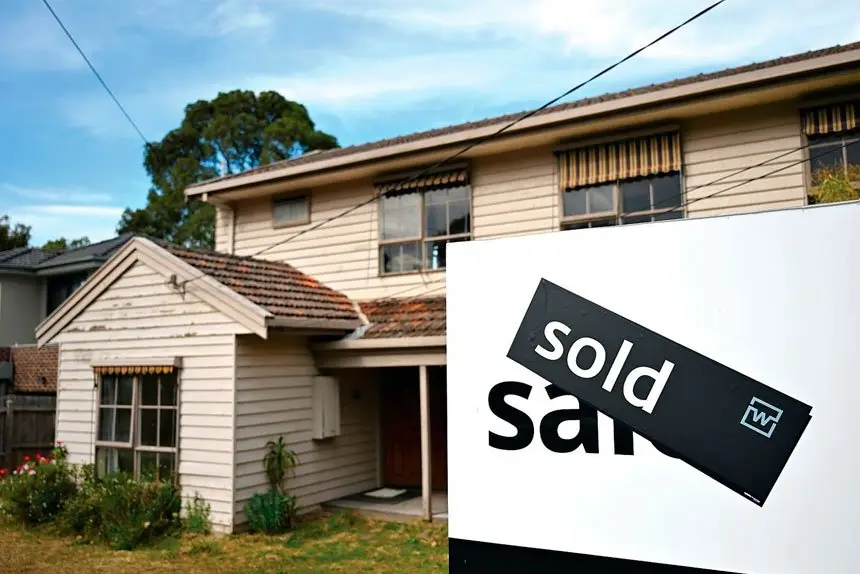
But at the same time, the average house size has increased, from 100sqm in the 1950s to 236sqm in 2020. The average living space in Australian households is now 84sqm per person.
The way we live in our homes – our habits and daily routines – is also growing and changing with our housing, and the way we want to live can shape the size of our homes.
For a more sustainable future, we need to embrace living in smaller spaces. This means not letting our houses be our primary space for every activity in our lives.
OUR HOMES AND ‘SPACE CREEP’
Our houses first became bigger due to space creep, bringing more of the outdoors inside.
Once, older children were delegated to “sleep outs”, or closed-in verandas, when new siblings arrived.
Over time, these draughty and unheated spaces may have been converted into bedrooms, and houses were increasingly built with dedicated rooms for each child.
Our research shows space creep now also occurs even in shrinking, empty nest households. Garages and sheds are increasingly being converted into “man-caves” or rumpus rooms for tinkering, play and privacy.
Some families we spoke with bought bigger houses because there was a separate “hobby room” for crafts or music, or separate home offices. People now see these spaces as integral to their home life, and buy or build houses with this in mind.
Space creep is also linked to how we consume.
We saw many old fridges and chest freezers in garages, allowing for greater food storage because people were concerned about having enough food in the house, needed to bulk buy items to save money, or because they tried to minimise trips to the store.
The routines set in these spaces result in us consuming more space. As we, as a society, become used to these spaces, we feel like we should need them.
Covid changed perceptions of how much space is needed in our homes. People living in apartments now describe them as feeling much smaller than they did before.
Pets are increasingly viewed as part of the family: almost half of homes have a dog, and one third own a cat. This means either making or buying more space to accommodate pets, as well as more energy consumption.
Studies have found we spend more time in our houses than in the past, but overall time spent in each space in the house is less. And while the spaciousness of our homes may afford privacy, we lose connection.
If every family member is in a different room on their individual screens, we lose some of the benefits of a family room.
DO WE NEED MORE APARTMENTS?
After children have left, many people prefer to age in their communities.
Without better options of smaller, well-built homes in the same location, older people often hold onto the large family home.
Planning rules and conventionally designed houses often do not offer the flexibility of subdividing homes that have grown too large.
Smaller townhouses in the same area may be two stories with stairs, making them inaccessible for many older people.
Older people need to be able to downsize without moving away from their communities, services and local area.
And yet, it is not as simple or straightforward as everyone living in apartments or units.
Some larger houses are still needed to satisfy certain needs, like multi-generational living.
A recent study found one in five Victorians would prefer to live in an apartment, but only one in 10 do.
In Australia, apartments suitable for families are rare, in stark contrast to how families see apartments in many cities in Europe.
Bhavna Middha and Nicola Willand, RMIT University
Published: Theconversation.com
February 18, 2025