

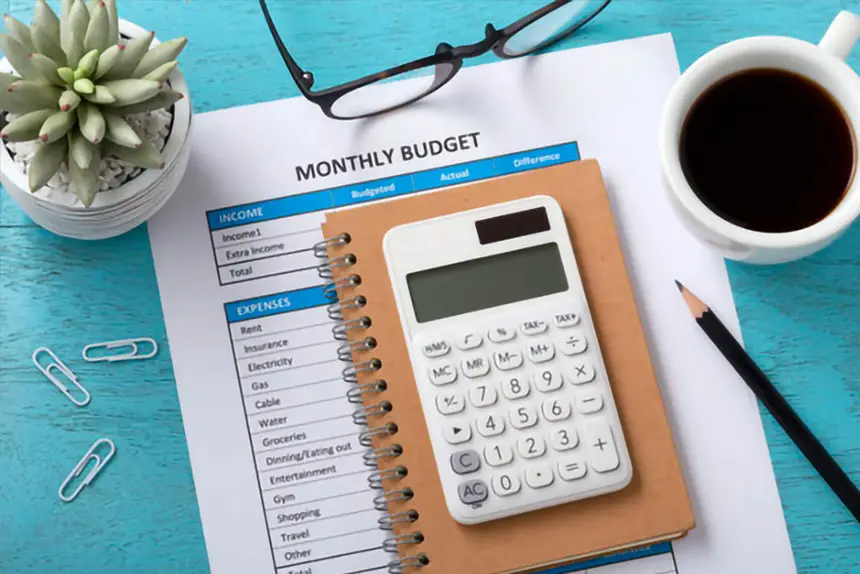
FINANCIAL success is often associated with discipline, structure, and making sensible decisions with money.
These are important foundations, although there is a point where strong habits can become too restrictive and difficult to maintain.
Many people begin with good intentions. They reduce spending, tighten every category, and focus heavily on saving or debt reduction.
While this approach can create early momentum, it may also introduce pressure that you simply cannot keep up with over time.

A healthy financial life works best when it supports both progress and enjoyment.
A Spending Plan creates structure
One of the reasons I prefer the term Spending Plan instead of Budget is because it reflects a more balanced relationship with money.
A budget often delivers a vibe of limitation, as though spending itself is something to fear or avoid. A Spending Plan recognises that money is designed to be used, provided there are clear parameters around where it goes and why.
In truth, spending is not the problem. It is actually random spending that takes you off track.
Random spending is characterised by lacking purpose or connection to those things which truly matter to you.
A Spending Plan creates intentional outcomes:
- Enjoy life
- Pay for experiences
- Support family priorities
- Align with your goals without removing flexibility
Sustainable success TRUMPS intensity
Financial progress becomes difficult if you adopt an all-or-nothing mindset.
It can be appealing to approach money with extreme discipline by eliminating discretionary spending, avoiding small pleasures, and treating spending as failure.
While this level of force may work temporarily, it often creates a sense of deprivation.
A sustainable approach to finances works far better and is similar to how we think about healthy eating.
An all-salad diet may appear disciplined at first, although very few people maintain that level of restriction indefinitely.
Eventually, balance becomes necessary, and money habits follow a similar pattern.
Long-term financial success comes from creating habits that can survive real life.
Consistency builds confidence
Financial confidence is strengthened when we develop a system that feels realistic and repeatable.
So, a Spending Plan which allows room for enjoyment while protecting important goals, is far better than a strict Budget. Experience shows us that the strongest financial habits are not built through intensity alone.
They come from finding an approach that works around changing priorities.