
AS South East Queensland prepares to shake off winter and the first signs of spring emerge, it’s the perfect time to refresh your outdoor spaces.
Spring marks one of the busiest seasons for native bees, butterflies and nectar-feeding birds as they emerge in search of food after the cooler months.
With urban development continuing to replace natural habitat, these pollinators are increasingly relying on suburban gardens to find the nectar, pollen and shelter they need to survive.
The good news is that every container garden, no matter how small, can help fill that gap.

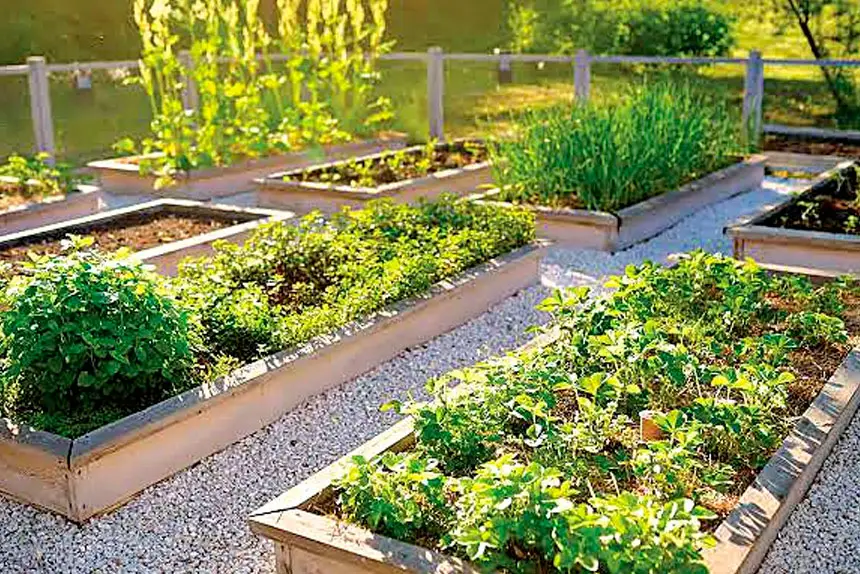
Container gardening is one of the simplest ways to boost biodiversity in built-up areas. A collection of flowering pots on a balcony, patio or front entrance can create a valuable food stop for pollinators moving through the suburbs.
When neighbours do the same, these small green spaces become connected corridors that allow wildlife to travel safely through our cities, strengthening local ecosystems one garden at a time.
Spring is also the ideal planting season in South East Queensland. As temperatures warm and rainfall becomes more reliable, native plants quickly establish before the heat and humidity of summer arrive.
Choosing species that naturally occur in the region gives your garden the greatest environmental benefit, as they have evolved alongside local wildlife and provide the food sources native insects and birds know best.
Creating a sustainable container garden isn’t just about what you plant, but how you garden. Reusing existing pots or choosing containers made from recycled materials helps reduce waste, while adding compost to quality potting mix improves soil health and reduces the need for synthetic fertilisers.
A layer of mulch helps retain moisture as the weather warms, meaning pots require less frequent watering heading into summer.
The benefits of a biodiverse container garden extend well beyond pollinators.
Flowering natives attract fairy-wrens, honeyeaters and lorikeets, while butterflies lay eggs on suitable host plants.