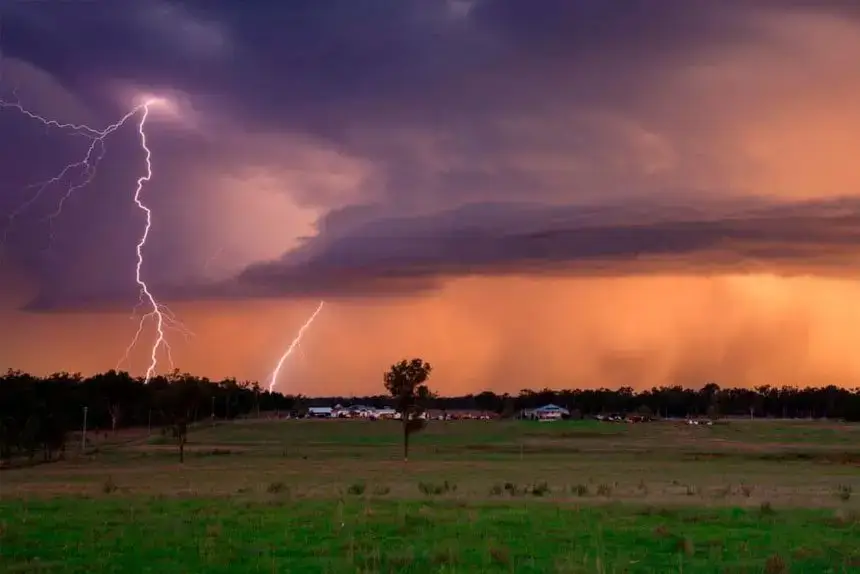
AFTER the recent storms bringing large hail and heavy rain to South East Queensland, I’m reminded of a previous column where I spoke about our attitudes towards storms and floods.
If your home is in an area that could be subject to inundation or storm damage, it would be wise to make sure you have adequate insurance coverage for any disaster that may occur.
Remember, the cheapest form of insurance is not always the best option.
Many of us have a standard excess for our house and contents insurance. These amounts can often be increased for a smaller yearly premium.
However, this is only half the story – if you have to make a claim with a higher excess, it could end up costing more than you saved. So, consider carefully the cost of replacement compared to the premium saved.
For seniors or those living with disabilities, now is a good time to discuss any concerns with family members or social workers.
Many residents in flood-prone areas are understandably anxious during storm season. Fortunately, there are numerous reliable websites that provide real-time information about current conditions.
In Ipswich, the Ipswich Council “Dashboard” gives up-to-date information, much of it sourced from the Bureau of Meteorology (BOM).
The ICC site reports river heights at the Town Bridge and other local locations, with live cameras showing current conditions – well worth checking!
Other useful apps include Weatherzone, which provides detailed forecasts on heat, wind, rain, and storms, as well as weekly outlooks.
For tide information, visit tidetime.org for the most up-to-date data.
Keep in mind that tide times can influence rainfall impacts and potential flooding – these two often go hand in hand.
For dam levels and spillway conditions, see Seqwater, and for the latest river heights, visit BOM.
These sites even feature live cameras operating day and night for real-time monitoring.
Having this information readily available on your iPad or phone helps you stay informed about what might happen as weather events unfold.
Familiarise yourself with these reliable sources and make them your “go-to” places during severe weather.
By combining what you see outside with the information from these sites, you can be confident in understanding your local conditions.
And remember: if authorities such as the SES or Police advise evacuation, they know more about the situation – so please heed their advice.