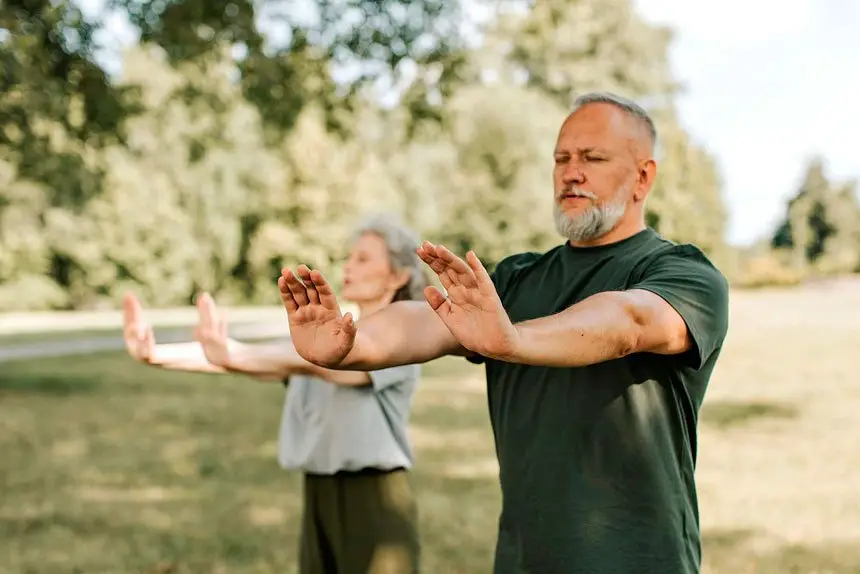
TAI CHI, often described as “meditation in motion”, is an ancient Chinese exercise that combines gentle physical movements, deep breathing, and focused intention. Rooted in martial arts and traditional Chinese philosophy, Tai Chi has evolved over centuries into a graceful form of exercise that is practised by millions around the world for its health benefits and calming effects.
Originating in China during the 13th century, Tai Chi was initially developed as a martial art known for its soft, flowing movements and internal strength. Over time, its defensive techniques gave way to a more meditative practice, influenced by Taoist and Confucian principles that emphasise balance, harmony and the connection between mind, body and spirit.
Tai Chi involves a series of slow, deliberate movements that flow seamlessly from one to the next. Unlike high-impact exercise, it places minimal stress on the joints and muscles, making it accessible for people of all ages and fitness levels. Each movement is performed with mindful awareness, encouraging practitioners to stay present and focused.
The benefits of Tai Chi are both physical and mental.
Studies have shown that regular practice can improve balance, flexibility, and muscle strength.
It’s particularly helpful in reducing the risk of falls in older adults and aiding recovery from injury or illness.
Tai Chi is also known to reduce stress and anxiety, promote relaxation, and enhance mental clarity.
Its meditative nature can help regulate breathing and lower blood pressure, supporting cardiovascular health.
Beyond its health advantages, Tai Chi offers a sense of community and mindfulness.
Many people enjoy practising in parks, community centres, or group classes where the collective energy enhances the experience.
Its inclusive nature means that even those with limited mobility can participate, often adapting movements to suit their abilities.
In a fast-paced world, Tai Chi offers a refreshing reminder of the power of slowing down.
It encourages balance –physically, mentally, and emotionally – and invites practitioners to reconnect with themselves in a meaningful way.