
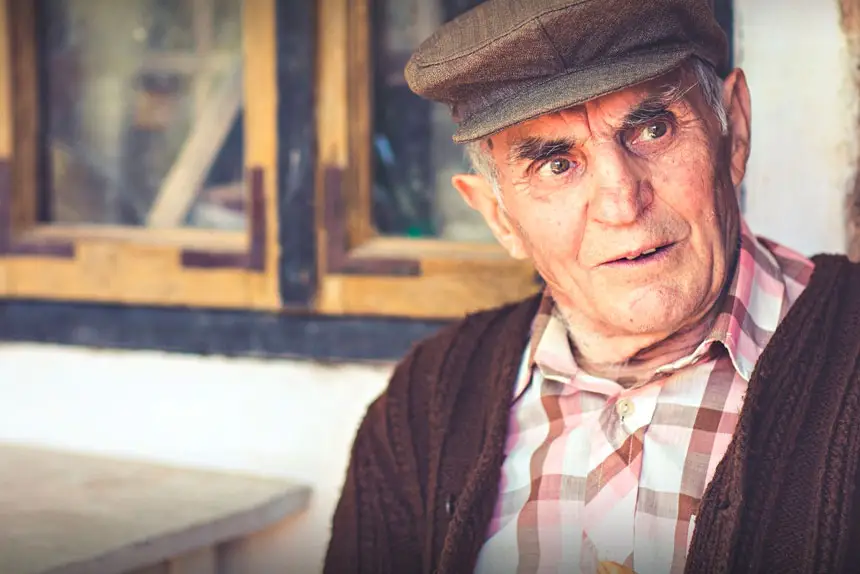
TURNING 80 has a way of sharpening life’s focus.
It is a milestone many never reach, and for those who do, it often marks a shift from planning ahead to reflecting on what remains, and how best to live it.
When I wrote about this some years ago, I noted that reaching 80 changes your perspective. That still holds true.
For many, it’s the point where health concerns become more frequent, mobility declines, and independence, once taken for granted, requires more conscious effort.

Across the country, lifestyle villages that sprang up two decades ago are now ageing alongside their original residents.
What began as vibrant communities of people in their late 50s and early 60s has gradually transformed.
Today, many residents are well into their 70s and 80s, and new arrivals are often older still, sometimes already managing chronic health conditions or relying on mobility aids.
This shift is changing the very fabric of these communities. They are no longer simply places for active retirement, but increasingly environments where care, accessibility and support services are essential. The question is no longer just how to enjoy retirement.
There is also a growing sense of frustration among some residents. Many villages are now more than 20 years old, and with age comes wear and tear. Concerns about maintenance and upkeep are becoming more common, with some residents questioning whether operators are keeping pace with the needs of ageing infrastructure and ageing communities.
At the same time, the financial structures behind these villages continue to draw scrutiny. For some, it feels as though the balance tilts too heavily in favour of operators, particularly when additional fees or deferred costs are involved.
It raises a broader question about fairness, and whether the system is truly designed with residents’ long-term wellbeing at its core.
Beyond the villages themselves lies an even bigger challenge: how society supports an ageing population.
Governments face a difficult balancing act, ensuring help reaches those who need it most, while managing finite resources.
It’s a conversation that often surfaces among older Australians. Some feel assistance is unevenly distributed, with gaps in support for those doing it tough, while others appear better resourced.
And then there are the systems themselves, complex, at times difficult to navigate, and occasionally open to misuse.
These reflections are not complaints so much as observations.
Turning 80 is not just about the years behind you. It’s about understanding the years ahead and ensuring they are lived with dignity, fairness and care.