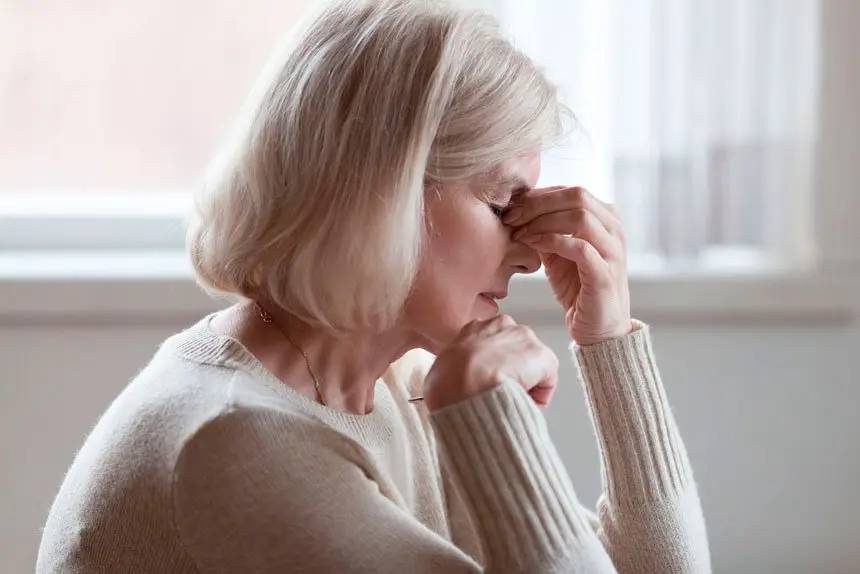
FROM the moment we are born, we experience pain in some form, whether physical or mental.
As we go through life, our pain may become more physical than mental, although this varies for each individual.
Life is much like a lottery – we never know what will happen along the way. Some people enjoy a relatively comfortable existence, while others face struggles from the very beginning.
Others seem to sail through life relatively unscathed until their senior years, when challenges may arise.
But what exactly is pain?
Pain is an unpleasant sensory and emotional experience. It can range from mild to severe. Some individuals have a high tolerance for pain, while others may faint at the sight of blood.
There are four main types of pain: acute pain, chronic pain, neuropathic pain, and nociceptive pain, which results from tissue damage.
Many of you reading this may be experiencing some form of pain. Unfortunately, only some medications provide effective relief, and enduring pain is something we all encounter – from sore knees and hips to migraines and everything in between.
Pain is a normal sensory signal sent to the brain to indicate that something might be wrong. But what happens when these signals become too overwhelming to bear, and medication is not as effective as it should be?
A significant portion of the population faces cancer in some form. Depending on the type, some cancers are curable if caught early, while others are not.
Fortunately, new drugs are constantly being developed, with many pharmaceutical companies striving to find the Holy Grail – a drug that could cure a wide range of illnesses.
Considering the medical advancements of the past century, perhaps future generations will benefit from groundbreaking treatments, creating a vastly different world.
Ignoring pain can be risky, as the source of discomfort may not always be where it seems. For example, jaw pain could stem from an infected tooth, an earache, or another underlying issue manifesting in that area.
As we approach the end of life, we must acknowledge reality. Dying is a natural part of living, and pain is often an unavoidable aspect of that process.
For those experiencing severe pain, hospice care provides a comforting environment with compassionate staff, doctors, and nurses who specialise in end-of-life care.
Queensland passed the Voluntary Assisted Dying (VAD) laws a few years ago, allowing individuals to make choices regarding their end-of-life care.
Some have taken advantage of this option, but one must consider whether making such a decision shortens this stage of life but leaves loved ones with lingering questions.