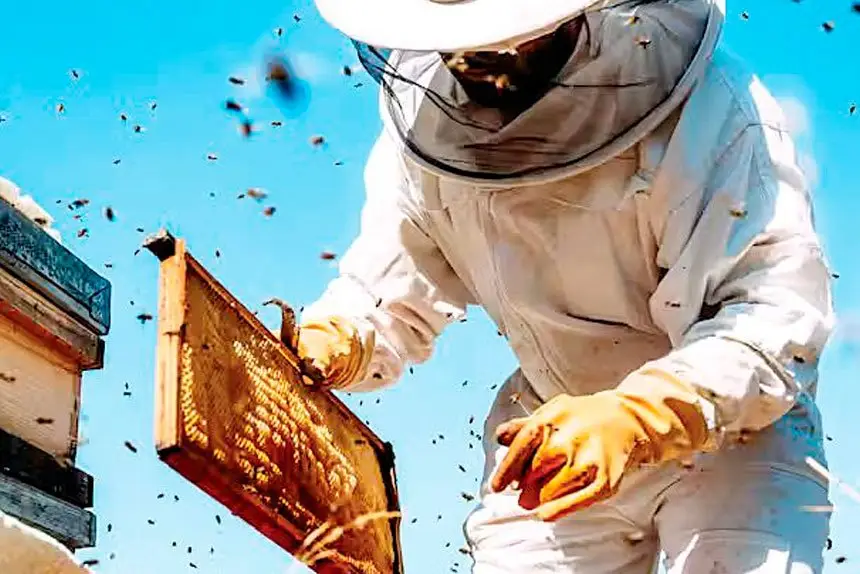
FOR the first time, the dreaded varroa destructor has been detected in Queensland, sending shockwaves through the beekeeping community and greater agricultural community of the Ipswich and Lockyer regions.
The tiny but devastating parasite, which kills bees vital for crop production, was found in a recreational apiary in the Lockyer Valley, with initial tests confirming its presence.
Further samples from both recreational and commercial hives are now undergoing urgent testing to determine the full extent of the spread.
The news, although expected, is still a bitter pill to swallow.
Queensland’s honeybee industry and backyard beekeepers now face a new reality – one that will demand constant vigilance, strict biosecurity measures and significant changes in hive management.
Queensland Beekeepers’ Association President Jacob Stevens didn’t sugar-coat the news.
“We’ve been bracing for this moment for a long time,” he said.
Despite the grim outlook, Mr Stevens praised the beekeepers who reported the mite’s presence.
“Thank-you to the Queensland beekeepers who have reported varroa mite. Unfortunately these reports come as no surprise.”
Department of Primary Industries Deputy Director-General and Chief Biosecurity Officer Rachel Chay said increased detections into Queensland’s border regions were expected in the coming months due to natural spread from New South Wales.
“Biosecurity Queensland has been preparing for this event and is working closely with the affected beekeepers to slow the spread of varroa mite and help guide management practices,” Dr Chay said.
“We’ve joined all other states and territories in shifting our focus from eradication to management to safeguard Queensland’s valuable honeybee industry and recreational beekeeping.”
Authorities are urging monthly hive health checks and full reporting of all results.