THE HEAVY rain of the past month has prompted many people, both young and old, to assess their surroundings, monitor rising water levels, and anticipate any potential damage that severe weather events might inflict on their homes.
In such wet conditions, gardens can become oversaturated, leading to root damage and plant loss due to excessive water retention.
Farmers, too, bear the brunt of relentless rain, as flooding can severely impact the hard work they invest in growing food.
This often results in higher grocery prices after prolonged periods of heavy rainfall.
Fortunately, Australia has a diverse range of farmers cultivating the same crops across different regions.
This means that even if one area experiences extreme weather, quality produce remains available – albeit at a higher cost.
We all learned in school that water (H₂O) consists of two hydrogen atoms and one oxygen atom. In gardening, water is essential for plant survival, acting as the lifeblood that enables growth and nourishment.
If your garden isn’t thriving, perhaps your plants need more water.
However, the amount required depends on various factors, including location, plant variety, soil type, mulch depth, wind exposure, shade, sunlight, and rainfall.
Being a skilled gardener is more complex than it seems.
Those with a “green thumb” are often recognised for their ability to cultivate healthy plants, but for many, gardening can feel time-consuming.
For others, however, watching plants grow brings great satisfaction.
One of the greatest water-wasting mistakes is overwatering.
Applying too much water too frequently can lead to runoff and wastage.
Some plants require minimal water to survive – such as pineapples, bougainvillea, and frangipani – while others visibly wilt when they need more hydration.
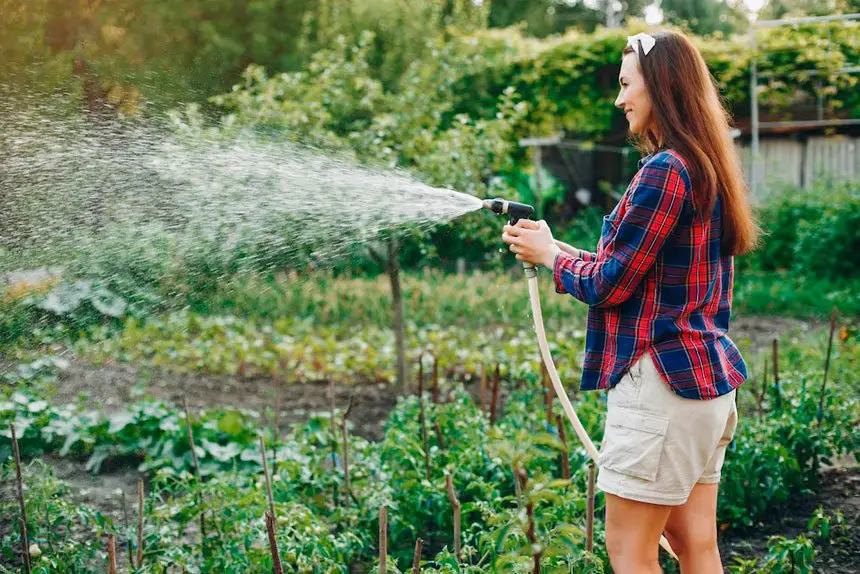
To minimise water loss through evaporation, it’s best to water early in the morning or late in the evening.
Midday watering should be avoided, as plants often appear stressed due to the heat.
While it may feel satisfying to water them during the hottest part of the day, much of that water will evaporate before it benefits the plants.
By understanding the needs of your plants and adopting smart watering techniques, you can maintain a healthy, thriving garden while conserving this precious resource.
Till next time!