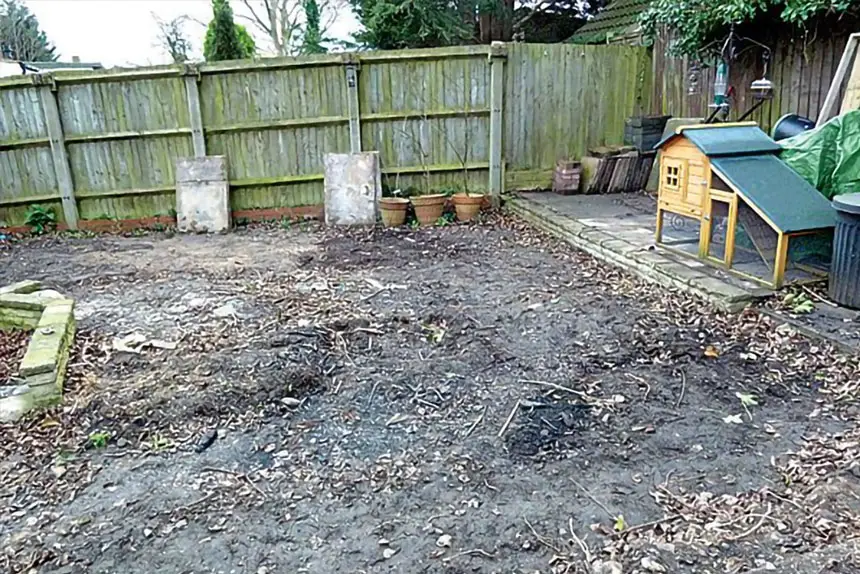
I see many lovely plants and flowers growing in well-kept gardens, and then I come across others that are nothing more than flowers and bare earth.
The ground looks dry, the soil cracked, and it appears as though it has never been watered.
Gardens – whether vegetable or ornamental – need protection from the harsh sun, especially here in Queensland.
Mulch keeps your soil at an even temperature and, whatever type you choose, it also looks good.
Along with the aesthetic benefit of making your garden appear healthy and well cared for, mulch has the added advantage of suppressing weeds. Any weeds that do manage to come through are generally long and easy to pull out.
A good mulch that still allows water to penetrate can even help keep out onion weed. While this is a persistent and difficult weed to eradicate, pulling it out – especially the bulbs – will gradually weaken its growth, giving you more time to enjoy other things.
A favourite mulch for many gardeners is sugar cane mulch, a by-product left over after harvesting. It
comes in easy-to-handle bags and, depending on the brand, can vary in coarseness.
Some varieties are quite fine and powdery, so it’s advisable to wear a mask when spreading it, as the dust can be harmful if inhaled.
There are plenty of other mulches to choose from. Lucerne, forest mulch (as the name suggests, made from forestry leftovers), pea straw, tea tree, and cypress mulch are all good options.
Pine bark can also be used, but care needs to be taken with its size and thickness – too fine and it won’t allow water to penetrate; too coarse and it can harbour cockroaches.
New mulches available will break down over time, improving soil quality and benefiting your plants.
Decorative mulches such as pebbles, quartz, wood chips, and straw also have their place.
Till next time.