

LEAFING through the weekend papers a few weeks ago I came across an article that talked about the benefits of a multitude of different food groups found in our stores.
This may be a little off topic from pure gardening, but as it in part speaks about plants and fruits thought it was worthwhile to share.
Some of the information was new, as researchers had gone further into identifying other aspects of studies made previously.
Briefly, and to suit this column, I have touched on those that are worth mentioning and as usual with this sort of thing, will leave it up to you to research.

Because mackerel and pilchard bones are so soft and edible, they are an excellent source of calcium for our bones and teeth.
Coffee, that beverage that some at times say one shouldn’t drink too much of while others say it’s good for you, has been relegated to the side a little, as studies have indicated that the ‘robusta’ bean has been shown to have twice the antioxidants than the ‘arabica’ bean.
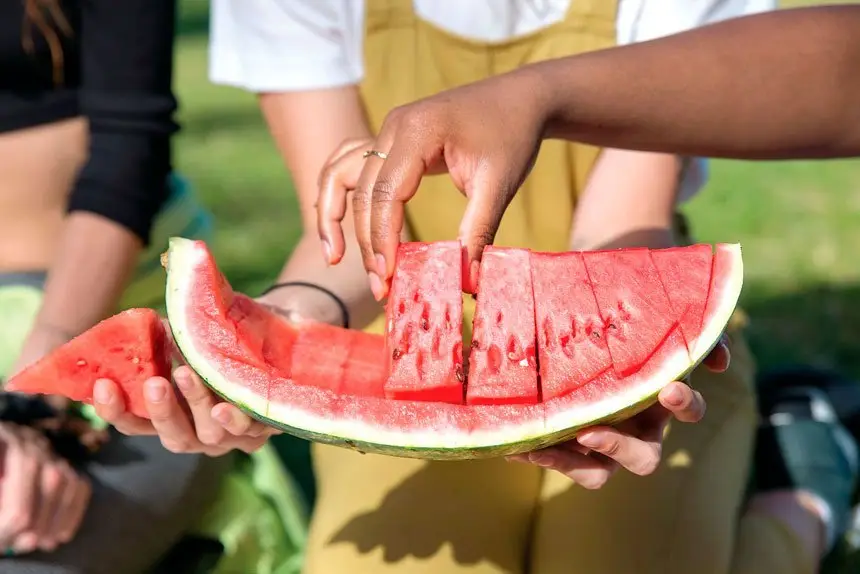
That slice of watermelon on a hot day can certainly cool you down, but did you know that it has an effect on our blood vessels and can help in diluting them, while the consumption of this fruit can also stave off hunger and help with weight loss.
Eggs are another food that feeds conjecture, in the past some have said they are bad for you, but later studies have shown that this is not the case and eggs in moderation are an excellent source of nutrients especially beneficial for the eyes. You may not be one who is into spices but once again spices such as turmeric, cinnamon, caraway and nutmeg, by adding these to your high fat meals helps stabilise blood sugar and cholesterol.
Citrus fruits are something we don’t consume enough of, and it has been shown that oranges and grapefruit can reduce the risk of stroke, while ‘yuzi’, a small Asian citrus fruit is already becoming a trendy new edition to drinks and dishes.
We all know the benefits of salmon as it is high in omega-3 fatty acids that dial down inflammation and is good for the heart.
In Norway there is a group investigating the value of the 21 different fatty acids found in a teaspoon of salmon oil that might reduce inflammation that exacerbates asthma.
Hibiscus, that large colourful flower is rich in vitamin C and is now showing up in yogurt and flavored water. Its believed to be helpful in the dropping of blood pressure.
Packed with antioxidants, it’s one of the many plants available to us for eating but be aware some plants may interfere with some medications, so be sure to consult your doctor prior to taking anything that may be classed as natural. Keep in mind that some ‘natural’ plants can kill you or make you ill.
We have a smorgasbord of good foods that keep us well, it may be worth remembering that the future will bring us longer lives, so maybe we should put more thought into consuming better foods for the added years that lie ahead. Till next time.