
NUGROW is looking to work more closely with the community as it moves towards making its new in-vessel enclosed composting system operational later this year.
Executive General Manager Jacob Wilson said the company had spent years navigating the complex regulatory environment required to build new waste infrastructure, leaving less time to publicly explain its role in the circular economy.
“In many ways we’ve been playing defence for a long time,” Mr Wilson said.
“Our resources have been tied up getting the investment platform right and working through the approvals process.

“That has meant we have been unable to spend enough time explaining what we actually do.”
The company’s core work focuses on taking organic waste from households, farms and food businesses and turning it into compost that helps grow the next generation of food.
“We know there’s a perception about what we do, and we probably haven’t done a good enough job explaining it,” Mr Wilson said.
“When people see images on the news of trucks tipping waste at landfill sites, they often assume that’s us. But that’s just not our business – we do not operate a landfill.”
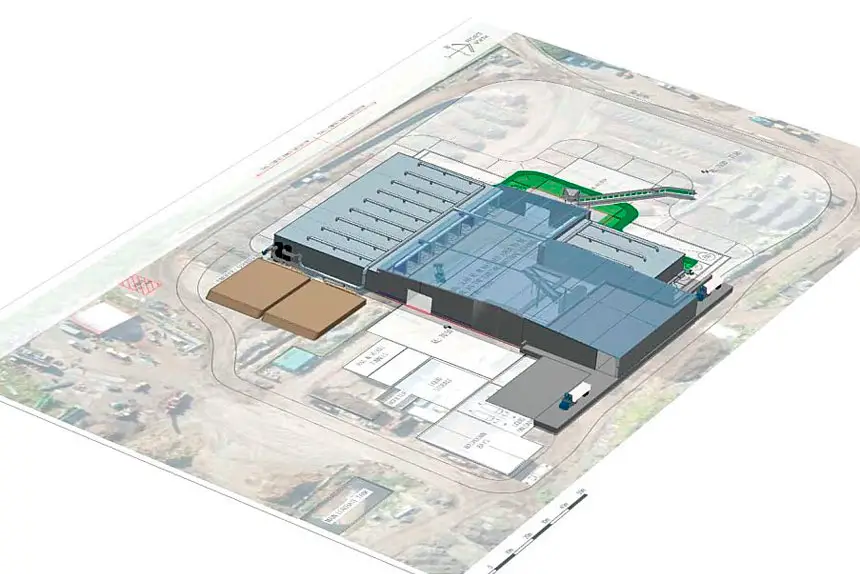
At the centre of NuGrow’s future plans is the construction of a large in-vessel composting facility, designed to process organic waste in sealed tunnels using controlled aeration.
Mr Wilson said the facility could become one of the most significant composting operations in South East Queensland.
“I genuinely think it could be the organic jewel of the south-east,” he said.
“It will be the largest in-vessel composting facility in the region and something that can support councils who want to introduce garden organics services for their communities.”
The development approval allows for 16 sealed composting tunnels, although the first stage will focus on building 12 to meet current demand.
Once construction begins, the system will come online progressively.
“As soon as the first lot of tunnels are completed – the first six – we’ll begin putting compost into them,” Mr Wilson said.
The facility is expected to be operational by September.
Processing that material properly, he said, plays a crucial role in supporting both environmental outcomes and the broader food economy.
“Our business is essentially circular,” Mr Wilson said.
“Families produce organic waste, we turn that into compost, the compost goes back to farms, farmers grow food, and that food comes back into the city.
“It supports jobs, supports agriculture and helps keep food production sustainable.”
He said the waste industry also needed to do more to explain its role to the public.
“Waste is one of those industries people rarely think about until something goes wrong,” Mr Wilson said.
“But it touches everyone. Every household, every business and every community produces waste, so we all have a role to play in managing it responsibly.”
As NuGrow prepares to expand its operations, Mr Wilson said the company was making a renewed effort to engage directly with the community.
“We recognise we could have done better with engagement in the past,” he said.
“But now that we have a clear pathway forward, we want people to understand what we’re doing and why it matters. These investments are about more than waste – they’re about jobs, agriculture and building a sustainable system that turns organic waste back into something useful.”