
NEARLY half of Australian school-aged children are missing out on one of childhood’s most memorable learning experiences, according to the first national census of the country’s camp sector.
New research from the Australian Camps Association has revealed that while almost two million students attend camp each year, that represents just 48 per cent of Australian school-aged children.
The ACA Census and Economic Contribution Report shows school camps remain a major part of education in Australia, with 3.96 million people attending camps in 2024.
School groups account for about 70 per cent of all participation, highlighting the role camps play in learning beyond the classroom.

ACA Chief Executive Officer Peter McDougall said camps offer young people opportunities they cannot easily find in everyday school life.
“Camps give young people the chance to step outside their comfort zone, work as a team and build confidence,” he said.
“They step away from the screens to combine physical activity, connection with nature and shared challenges, which are proven to enhance mental wellbeing and social development.”
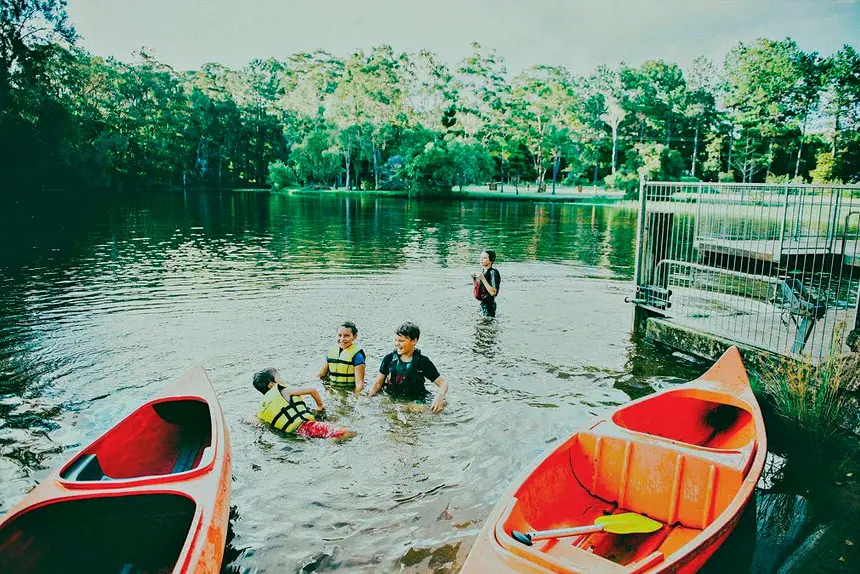
Educators say the benefits extend well beyond recreation. Camp programs often include activities such as hiking, canoeing, environmental education and team-building exercises that help students develop leadership, resilience and independence.
The research also highlights the significant economic impact of camps across Australia. The sector contributes $1.74 billion annually to the national economy and supports more than 15,000 jobs, many in regional communities.
Despite the growth of digital learning and changing school priorities, the report suggests camps remain a cornerstone of Australian childhood, with a history stretching over 70 years.
“Teachers consistently tell us that student wellbeing is one of the biggest challenges they face,” Mr McDougall said.
“Camps provide a proven environment where young people can build independence, strengthen friendships and reconnect with the outdoors.
“Every Australian child should have the opportunity to benefit from the unique camp experience.”