

IT seems the ongoing tensions between the US and Iran are being felt far beyond the battlefield, and right here at home in Australia.
Fuel is becoming harder to access in some areas, and for our farmers, the situation is far more serious than a longer wait at the bowser.
Diesel – the lifeblood of agricultural machinery – is increasingly difficult to secure. From planting to maintaining and harvesting crops, without it, the system simply grinds to a halt.
Reports are now emerging that some farmers in Tasmania are considering abandoning harvests altogether because they can’t get enough fuel to operate.

On King and Flinders Islands, livestock producers are also feeling the pressure, with freight costs surging as shipping operators grapple with rising fuel prices across Bass Strait. The ripple effect is already moving through the supply chain.
One company, Harvest Moon, reports its farmers collectively use around 3000 litres of diesel every single day across farms and packing facilities. That gives you some idea of just how critical – and vulnerable – this system is.
And here’s where it hits home for the rest of us.
When farmers struggle, supermarket shelves follow. Higher costs, reduced supply, and transport challenges all combine to affect what we see, or don’t see, when we shop.
It changes what we buy, how much we pay, and sometimes whether the product is even there at all.
So maybe it’s time to think a little differently.
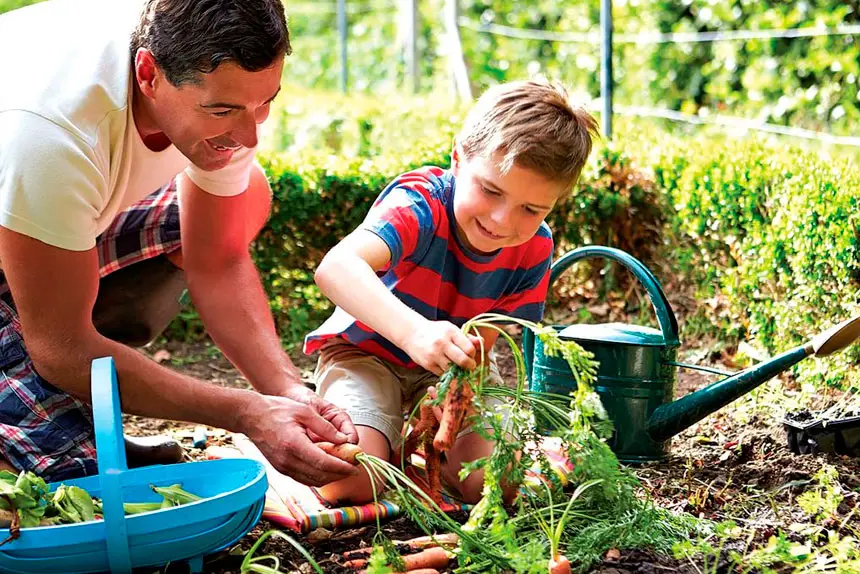
Instead of relying entirely on what arrives at the supermarket, consider what you can grow yourself.
It doesn’t have to be complicated. Start small. Choose something quick and reliable, and something your family will actually eat.
Tomatoes are a perfect example. Easy to grow, productive, and versatile, they can be re-planted again and again using seeds from your own crop.
It might not replace everything on your shopping list, but it could be just enough to take the pressure off – and give you a bit more control in uncertain times.