
The Senior
OLDER Australians receiving in-home care will no longer have to pay for essential personal care services such as showering, dressing and continence support, in a significant policy reversal by the Federal Government.
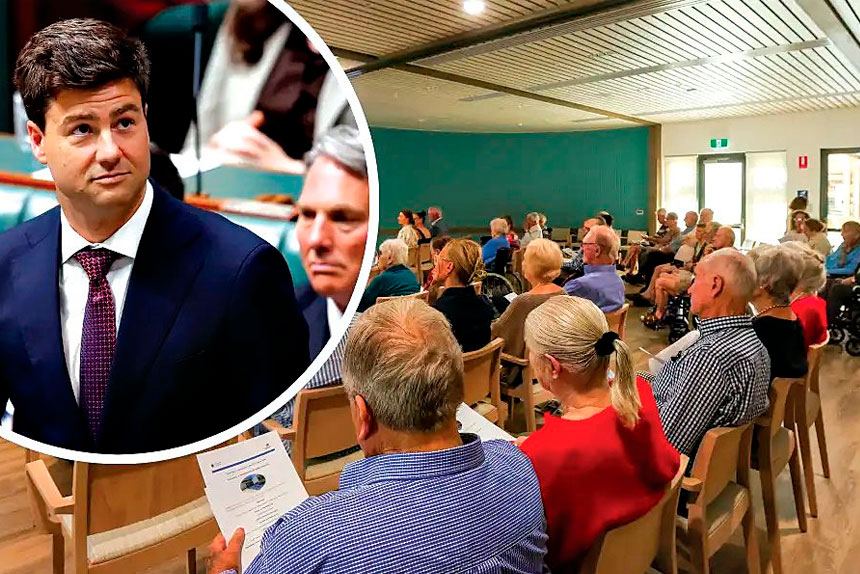
The changes, announced by Aged Care Minister Sam Rae, will see these services reclassified as “clinical care” under the Support at Home program, making them free for recipients.
“These aren’t optional extras,” Mr Rae said.

“They’re the basics of ageing with dignity, and no older Australian should miss out because of cost.”
However, the reforms will not take effect until October 1, leaving many older Australians continuing to navigate the current system for several more months.
The move follows mounting criticism of the Aged Care Act, which came into effect in November 2025 and introduced a new fee structure that many say forced vulnerable people to ration care. Complaints from recipients, families, providers and health professionals have escalated throughout 2026, with some describing the system as complex, confusing and unfair.
A group of 21 Federal MPs, including independent senator David Pocock, called for urgent reforms, warning the system was leaving older Australians without access to basic supports.
Registered nurse and aged care consultant Kerry Paul said rising service delivery costs meant funding packages were no longer stretching far enough, leaving some people without regular showers, groceries or even meals. She said providers had increased prices to offset capped service and management fees, placing additional strain on clients.
Families have also been forced to step in. Melbourne woman Melanie Bow said her mother, who is living with motor neurone disease, now showers only once a week due to the physical and emotional toll. She described the situation as “profoundly distressing”.
In Ipswich, Kevin Pearce said delays to his wife’s care assessment forced the couple to move into a retirement village, while he paid out of pocket for home modifications including ramps and bathroom supports after struggling to secure affordable care.
Concerns about the system have been building since before its rollout, with a Senate Inquiry established in September 2025 after waiting lists for care exceeded 200,000 people.
Shadow Health and Aged Care Minister Anne Ruston has previously warned that vulnerable Australians, including those with dementia and degenerative conditions, were being left without the support they need.
Mr Rae acknowledged the system required refinement following the Royal Commission into Aged Care Quality and Safety, saying the Government had always intended to adjust the reforms where necessary.
“We said when the Aged Care Act commenced that we’d keep watching how the reforms landed and fix what needed fixing,” he said.