

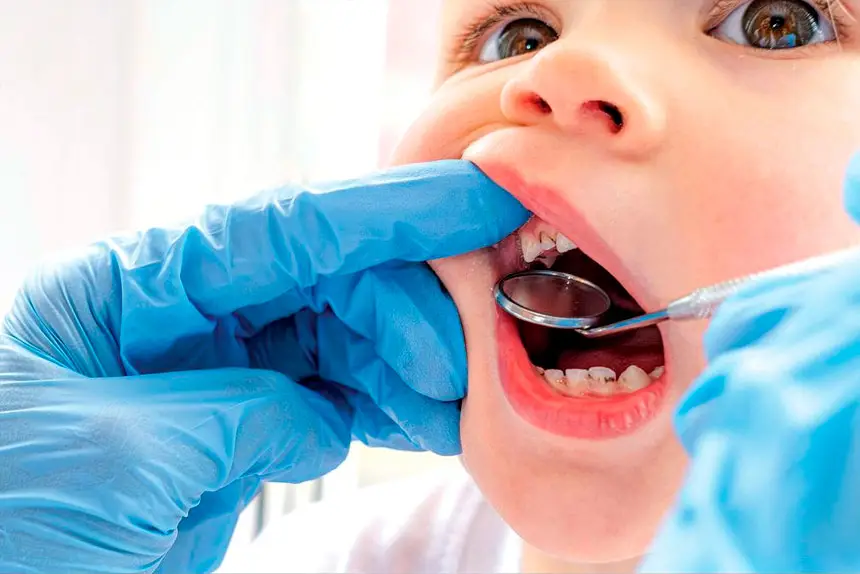
FROM routine check-ups to toothaches that won’t quit, dental visits are about much more than getting a clean.
While prevention remains the goal, millions of Australians still book appointments each year because of problems that could often have been avoided with early treatment.
Australians are becoming more aware of the importance of oral health, but dentists continue to see many of the same conditions every day.
According to the Australian Institute of Health and Welfare, nearly half of Australians aged 15 and over delay or avoid seeing a dental professional because of cost, allowing minor issues to develop into more serious and expensive problems.

So what are the most common reasons Australians find themselves sitting in the dentist’s chair?
The leading reason for dental appointments is still tooth decay, also known as dental caries or cavities.
Plaque, a sticky film of bacteria, feeds on sugars left behind after eating and drinking. The bacteria produce acids that gradually wear away tooth enamel, eventually creating holes in the teeth.
Early decay may not cause any symptoms, but untreated cavities can lead to pain, infection and even tooth loss.
Dentists recommend regular check-ups because decay is often spotted long before patients notice a problem.
REGULAR CHECK-UPS AND CLEANS
Not every visit is prompted by pain, with routine examinations and professional cleans remaining one of the most common reasons Australians visit their dentist.
During these appointments, dentists and oral health professionals remove hardened plaque (tartar), assess gum health, check for early signs of disease and screen for oral cancers. Most Australians are advised to have a dental examination every six to 12 months, although individual needs vary.
Bleeding when brushing isn’t normal, with gum disease beginning as gingivitis causing swollen, tender gums that bleed easily. Left untreated, it can progress to periodontitis, where the infection damages the bone supporting the teeth.
Gum disease is one of the leading causes of tooth loss in adults and has also been linked to broader health conditions including diabetes and cardiovascular disease.
BROKEN OR CHIPPED TEETH
Whether it’s a sporting injury, a fall or simply biting into something unexpectedly hard, fractured teeth are a frequent reason for emergency appointments.
Modern dentistry can often repair damaged teeth with fillings, crowns or veneers, depending on the severity of the break.
A growing number of Australians are visiting dentists for cosmetic treatments rather than medical necessity.
Professional teeth whitening, veneers, orthodontic treatment and clear aligners have become increasingly popular.