

The Senior
AUSTRALIANS’ experiencing memory problems could soon receive an Alzheimer’s disease diagnosis in a matter of weeks rather than months, following the approval of a groundbreaking blood test expected to transform dementia care across the country.
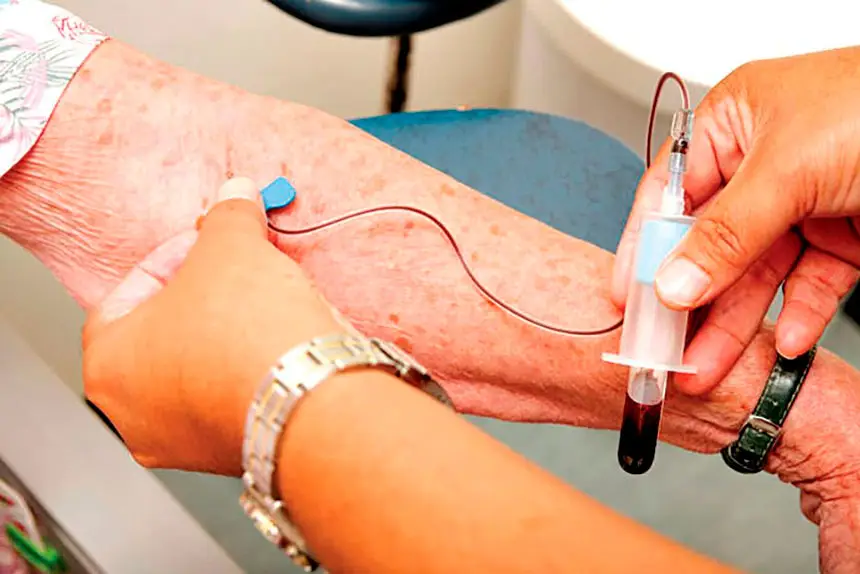
The Therapeutic Goods Administration (TGA) has approved the pTau217 blood plasma test, allowing it to become part of routine clinical care and giving doctors a faster, less invasive way to detect Alzheimer’s disease.
The test analyses a simple blood sample for proteins associated with Alzheimer’s and can provide highly accurate results without the need for lengthy specialist assessments or more invasive diagnostic procedures in many cases.

Dementia Australia medical adviser Michael Woodward said the approval represented one of the most significant advances in Alzheimer’s diagnosis in recent years.
Associate Professor Woodward said people experiencing memory problems could now receive an accurate diagnosis within a matter of weeks, rather than waiting months for specialist appointments and complex testing.
The blood test, which is expected to cost about $350, can also be ordered by a general practitioner, making diagnosis more accessible for people living in regional and rural Australia.
While the test is capable of detecting Alzheimer’s-related changes years before symptoms develop, experts stress it is intended for people who are already experiencing memory or cognitive concerns.
It is not recommended as a screening test for healthy people without symptoms.
Earlier diagnosis allows patients and their families to better understand the cause of memory changes, plan for the future, access support services sooner and, where appropriate, begin treatments while they are likely to be most effective.
It also reduces the uncertainty many families experience while waiting for specialist appointments and test results, a process that has traditionally taken many months.
Alzheimer’s disease is the most common form of dementia, accounting for an estimated 60 to 70 per cent of all dementia diagnoses. More than 446,000 Australians are currently living with dementia, with that number expected to increase significantly as the population ages.
The World Health Organization estimates that up to 45 per cent of dementia cases may be linked to modifiable risk factors.
Health experts believe the approval of the pTau217 blood test marks a major step forward in dementia care, providing Australians with faster answers, earlier intervention and greater access to support at a time when timely diagnosis has never been more important.