
A few native flowers, fewer garden chemicals and somewhere safe to nest could help Australian backyards become important refuges for bees and other pollinators.
Bees may be small, but their role in Australia’s environment and food production is anything but.
Pollinators help plants reproduce by transferring pollen between flowers, supporting everything from native ecosystems to the crops that eventually reach Australian dinner tables.
Greening Australia says nearly two-thirds of Australian agricultural production requires honey bees for optimal pollination, while pollinator populations globally face pressures including habitat loss, disease, pesticides and climate change.

But helping Australia’s pollinators does not necessarily require acres of bushland or becoming a beekeeper.
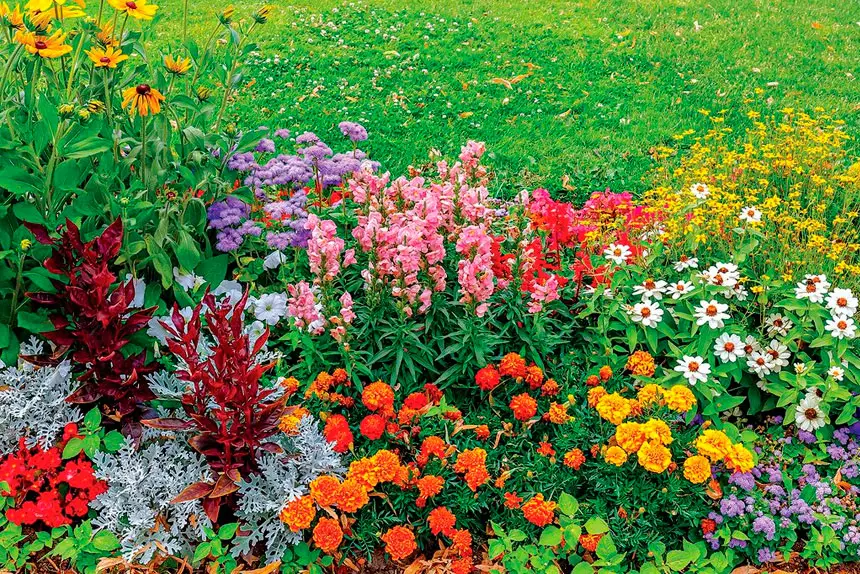
Backyards, suburban gardens and even balconies can provide valuable food and habitat, particularly when gardeners choose locally native flowering plants.
Greening Australia recommends planting a variety of native species that flower at different times of the year, providing bees and other insects with a more consistent supply of nectar and pollen.
Research has also found native flowering plants can be particularly valuable in urban environments, with Curtin University researchers finding both native bees and introduced European honey bees preferred Australian native flowers over exotic species at sites studied across metropolitan Perth.
Queensland’s Department of Environment, Tourism, Science and Innovation recommends plants including grevilleas, banksias, tea trees, bottlebrushes and native daisies for people wanting to create bee-friendly gardens.
Even a small patch can make a difference.
Another important step is reconsidering the chemicals used around the garden.
Pesticides designed to kill unwanted insects can also harm beneficial species.
Greening Australia recommends exploring alternatives, including encouraging natural predators of garden pests.