
Facebook
Notification
Local Ipswich News
  • Home
  • News & Editorials
    • Community
    • Ipswich Arts
    • Local Seniors
    • Sport
    • Business
  • Read Online
  • Pickup Locations
  • Contact Us
  • Home
  • News & Editorials
    • Community
    • Ipswich Arts
    • Local Seniors
    • Sport
    • Business
  • Read Online
  • Pickup Locations
  • Contact Us
  • Digital Editions
  • Pickup Locations
Facebook
Notification
Local Ipswich News
  • Home
  • News & Editorials
    • Community
    • Ipswich Arts
    • Local Seniors
    • Sport
    • Business
  • Read Online
  • Pickup Locations
  • Contact Us
  • Home
  • News & Editorials
    • Community
    • Ipswich Arts
    • Local Seniors
    • Sport
    • Business
  • Read Online
  • Pickup Locations
  • Contact Us
  • Digital Editions
  • Pickup Locations
Search
Local Ipswich News > Blog > Pets & Nature > Future depends on the ability to adapt
Pets & Nature

Future depends on the ability to adapt

Rowan Anderson
Rowan Anderson
Published: September 8, 2026
Share
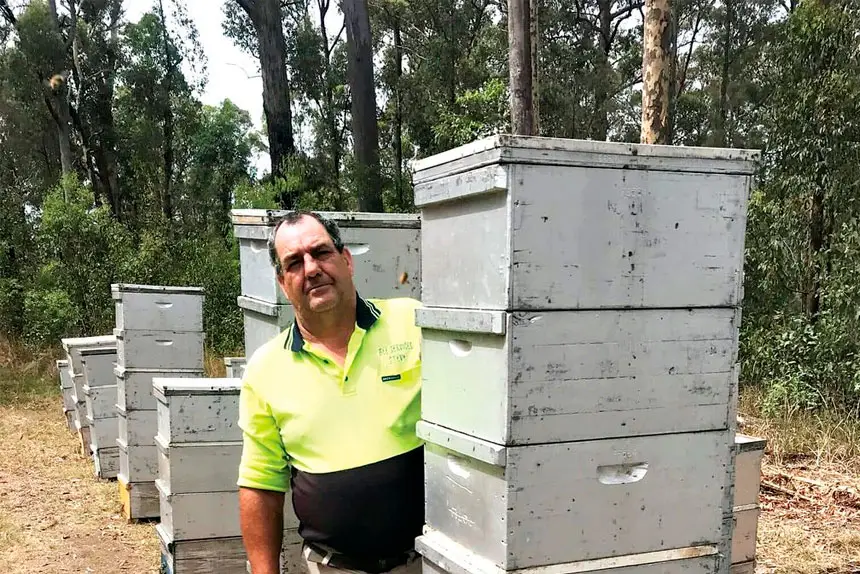
Commercial beekeeper and member of AgriFutures Honey Bee & Pollination Advisory Panel Steve Fuller.
SHARE

AS National Biodiversity Month is observed this September, respected beekeeping mentor and AgriFutures Australia Board member Steve Fuller said the Varroa mite crisis should not be viewed as the end of an industry, but as a wake-up call for agriculture to adapt, educate and look beyond the doom and gloom.

Mr Fuller has travelled extensively across the country keeping bees, mentoring others, and educating people within the industry and has witnessed enormous change since the Varroa mite was first detected in New South Wales in 2022.

At the time, Mr Fuller was president of the New South Wales Apiarists’ Association and found himself on the frontline as the industry grappled with a pest that Australian beekeepers had long known could eventually arrive.

Mr Fuller pushed back against suggestions Australia was inevitably heading towards a catastrophic shortage of bees for agricultural pollination, saying his experience on the ground painted a more nuanced picture.

- Advertisement -

He works with a number of companies to increase bee numbers and said demand reaching him for additional pollination services had been limited.

“There’s doom and gloom, and the sky’s falling, and all this sort of rubbish has got to stop,” he said.

Government still has an important role to play, but Mr Fuller argues financial assistance alone cannot provide a long-term solution.

“We can’t keep putting our hand out to the Government either,” he said.

“The government coffers are only so deep.”

Beekeepers warn over true scale of Varroa mite threat
Choosing your pet
Lets recognise the beautiful Bilby as our Aussie Easter bunny
The greatest show on earth… in trouble, again!
Small pug, big heart: Ipswich dog crowned national Home Hero
Share This Article
Facebook Email Print
Previous Article COLLECTIVE VOICE: At its best, a chamber is far more than just a networking organisation. Power behind a strong business community
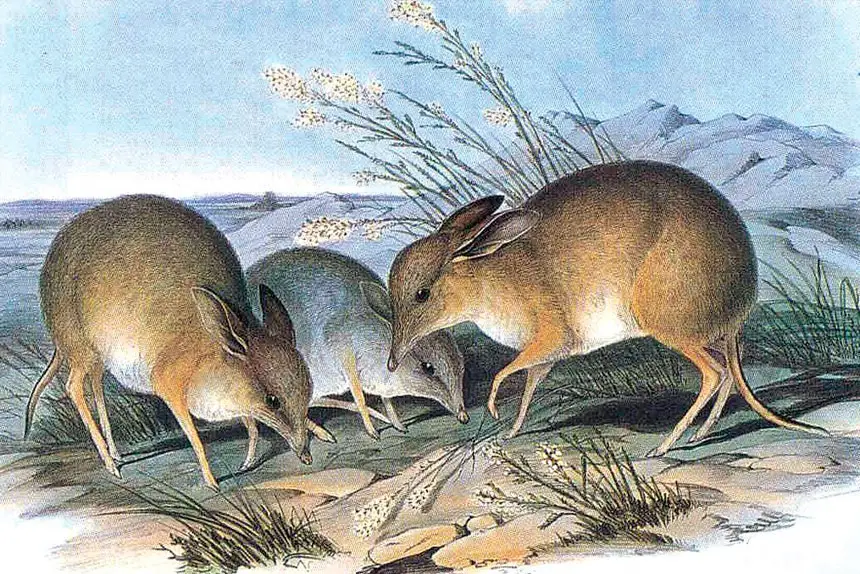
Next Article The pig-footed bandicoot. National Biodiversity Month is our time to consider what we’ve lost

Published by Local News Group QLD. Dedicated to connecting local communities through informative and engaging media.

  • Contact Us
  • Advertise With Us
  • Quick Links
  • Community
  • Featured
  • Sport
  • Local Seniors
  • Local Real Estate
  • Springfield
  • Education
  • Ipswich Arts
  • Gardening
  • Entertainment
  • Business
  • Disability News
  • Health
  • Be the Boss of Your Money
  • Ipswich Motoring
  • Events
  • Goodna
  • Ripley
  • Redbank Plains
  • Bundamba
Copyright © 2026 Local News Group - Website by LNG Digital
Welcome Back!

Sign in to your account

Username or Email Address
Password

Lost your password?