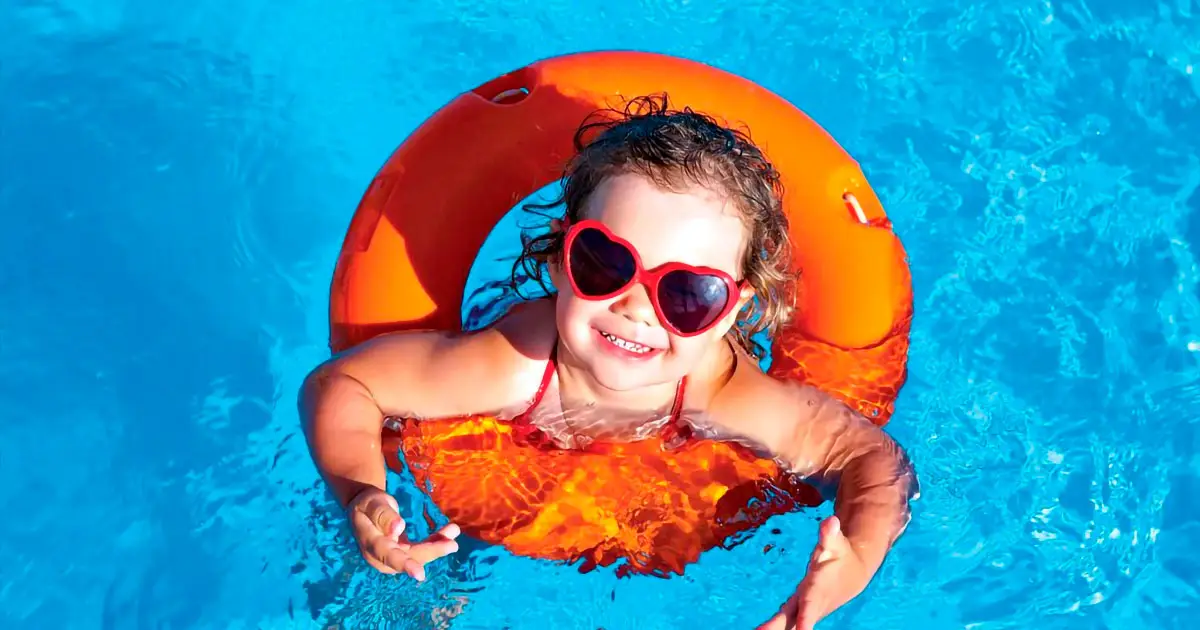

IN a country surrounded by ocean and filled with beaches, rivers, creeks, dams and backyard pools, learning to swim is more than a childhood activity – it’s a vital life skill.
Water is part of the Australian way of life and while our connection with the water brings enormous enjoyment, it also carries risk.
Learning to swim is also about far more than reaching the end of a pool or mastering freestyle. Quality swimming and water safety education teaches children how to float, tread water, control their breathing, conserve energy and remain calm when they unexpectedly find themselves in trouble.
Those lessons become increasingly important as children grow older and become more independent. Teenagers start heading to beaches, rivers, swimming holes and pools with friends, often without parents watching from the water’s edge. The skills developed during childhood can suddenly become the skills they need to protect themselves or help somebody else.

Being comfortable in a swimming pool does not automatically prepare someone for an ocean rip, fast-moving river, murky dam or deep waterhole. Conditions can change without warning, currents can be stronger than they appear and even experienced swimmers can quickly become exhausted.
Learning to swim must therefore go hand-in-hand with learning to respect the water.
For parents, swimming lessons provide an important layer of protection, but they never replace active supervision.
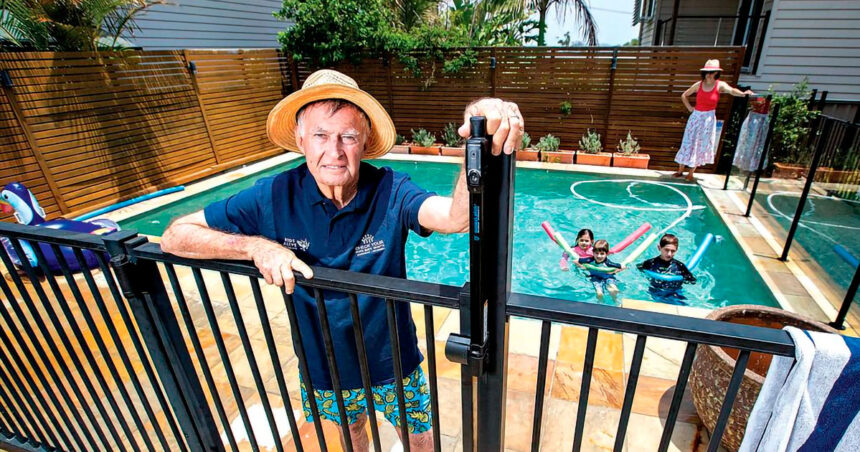
A child who can kick, float or swim several metres is still vulnerable around water. Young children require constant supervision, while secure pool fencing, properly functioning gates and adults trained in CPR provide additional layers of protection when something goes wrong.
The danger is often closer to home than people realise, because in Australian communities water can be only metres from where children live and play.
It might be the family swimming pool, a neighbour’s pool, a creek behind the house, a farm dam or a nearby river.
Learning to swim should not stop with children either with many Australian adults never having the opportunity to learn when they were young, while others have gone years without swimming and lost the confidence or ability they once had.
For them, taking swimming lessons as an adult can be just as valuable.