AS another Australian summer approaches, many people are planning their holidays, looking forward to the joy that travel brings.
Yet for Australia’s 5.5 million people with a disability, what should be an exciting journey often becomes a significant challenge.
While the aviation industry is making some progress in accessibility, many barriers remain for disabled travellers. This is true for people with hidden disabilities like autism, whose needs have historically received less attention in transport.
For autistic travellers, airports can be challenging environments, combining sensory experiences with social and procedural demands.
And while some airports are developing accessible tourism initiatives, there’s still considerable work needed to achieve truly inclusive travel.
WHAT MAKES AIRPORTS OVERWHELMING FOR AUTISTIC TRAVELLERS?
For many autistic people, stepping into an airport feels like entering a perfect storm of sensory and social challenges.
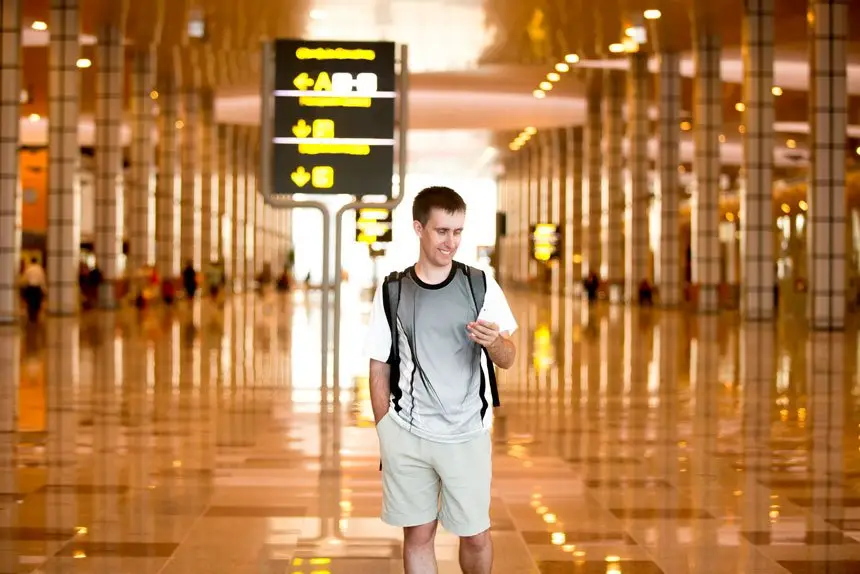
Fluorescent lighting creates glare as it reflects off polished floors. Unpredictable announcements compete with the constant sound of crowds and rolling luggage.
People are moving quickly in all directions. It creates an intensity that can rapidly become overwhelming.
TIPS FOR YOUR NEXT TRIP
Plan ahead
Look up each airport’s website for resources under “hidden disability”, “Sunflower” or accessibility sections. Sensory maps, visual guides, or quiet room locations can make a big difference.
Signal you might need support
Self-identification, like the Sunflower lanyards, provide a way to discreetly signal to staff you may need support.