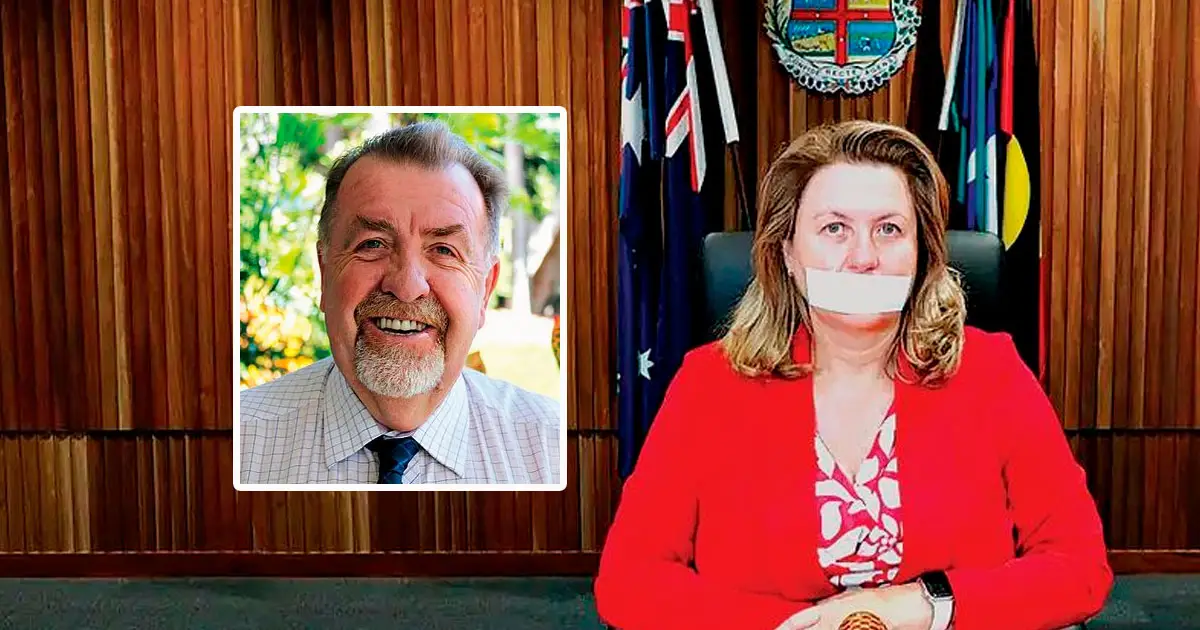

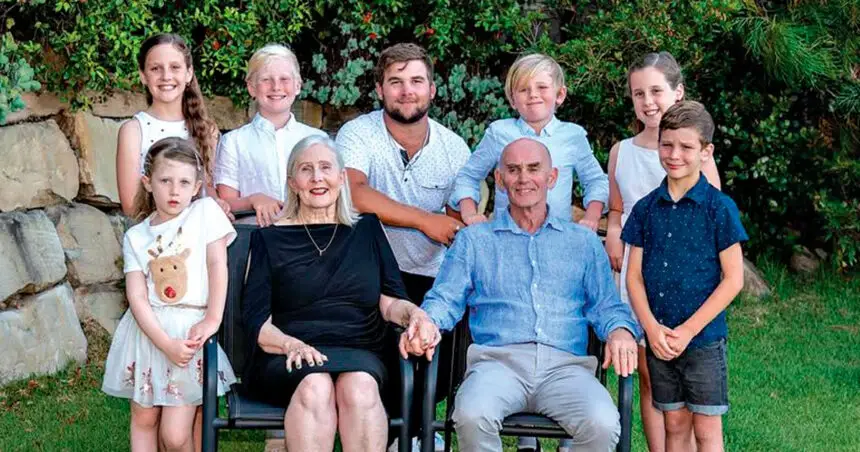
ALZHEIMER’S disease is often thought of as a disease of old age, but for Ipswich researcher Naomi Ferstera, its devastating impact has already changed the way she thinks about her own future and that of her children.
The founder of The Healthy Ageing Project lost her mother earlier this year after a years-long battle with Alzheimer’s disease and has now made the deeply personal decision to undergo genetic testing to better understand her own risk of developing the disease.
“Dementia is something I never want another family to go through if it can be prevented,” Ms Ferstera said.
“It is devastating to watch someone you love slowly lose pieces of themselves.”

Until recently, Ms Ferstera had been firmly against genetic testing, believing knowing her genetic status would do little to change how she managed her health.
“I had always been in the camp of not getting it done and was quite firmly in that camp,” she said.
“My belief was that I am aware of the risk factors, which everybody should be, and I had made the decision to take the risk, so a genetic test was not going to change anything.”
But a recent conversation with a doctor about emerging treatments and what genetic information could reveal changed her thinking.
“If I’ve got that genetic risk, especially if I end up with two copies of the ApoE4 allele, that means I’ve passed one on to my kids,” she said.
“I would like to know that so that when they’re older, I could have that conversation with them as well.
“So it became not just a matter of myself, but then also thinking about my children.”
Ms Ferstera cautioned that genetic testing was not necessarily the right choice for everyone, but said Alzheimer’s was not an old person’s disease, contrary to common belief.
“It’s not something that you get when you’re 70,” she said.
“It starts 20, 30 years before you start being symptomatic. And that means it’s starting in your midlife.
The Lancet Commission has identified 14 potentially modifiable risk factors for dementia – including exercise, good diet, sleep and cognitive stimulation..
“What we’re trying to do is we’re just trying to increase our odds by doing all of those behaviours that we know lower our risk.”