
IPSWICH City Council has recorded 372 requests relating to accessible toilets in just three years as it comes under pressure to expand a national locking system designed to keep disability facilities available for the people who need them most.
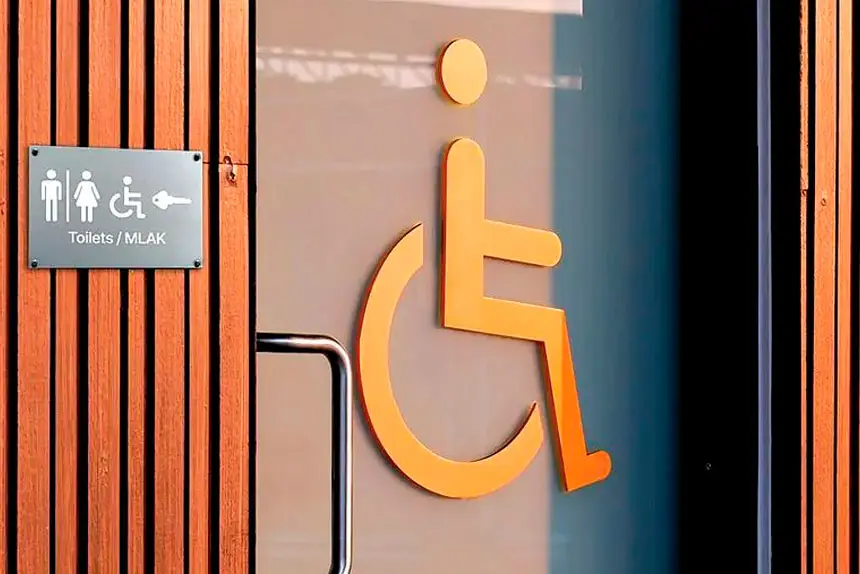
The Master Locksmiths Association of Australasia has criticised the Council after writing to Mayor Teresa Harding and councillors calling for greater use of the nationally recognised Master Locksmiths Access Key (MLAK) system across the city’s accessible public toilets.
Association CEO Benjamin Wash said it had received no response to its approach, describing the silence as “deeply disappointing”.
Council has now revealed it manages 94 toilet blocks across Ipswich containing 302 cubicles, with 68 suitable for people with accessibility needs.

There have been 372 requests raised in relation to accessible toilets during the past three years, covering graffiti, broken door locks, blocked toilets, lighting faults, cleaning requirements, damaged sinks, discarded syringes and broken toilet seats.
Mr Wash said access to a suitable toilet was an issue affecting a significant section of the community, including people with mobility limitations, autism and other specific needs, wheelchair users, older Australians and parents of children with disability.
“While using a toilet is easy for the Mayor, councillors and most other people, those who experience core mobility issues, autism and other specific needs, many older Australians, those in wheelchairs, and parents who have children with disabilities often can’t use general toilets,” he said.
Mr Wash said the association had worked alongside disability groups for more than 30 years and argued accessible toilets should be secured to ensure they remained available for those they were designed to serve.
“Equally problematic is that they are often used by people who do not require accessible facilities and don’t consider that they are preventing someone who relies on them from accessing the only suitable toilet in that area or centre,” he said.
Disability advocate, emergency department doctor and lawyer Dr Dinesh Palipana said certainty around access to appropriate facilities was fundamental to independence.
Ipswich Mayor Teresa Harding said the Council recognised the importance of ensuring public amenities were safe, accessible and available for those who relied on them.
Toilets at six parks across Ipswich have automatic locking mechanisms managed by Council’s Safe City team, while many others are locked using a Council CLIQ key.
Cr Harding said Council had to balance preventing vandalism and anti-social behaviour against ensuring people could access facilities.
“Council acknowledges that when an accessible public toilet is unavailable due to misuse, damage, maintenance requirements or other operational issues, people with disability may be left without a suitable alternative,” Cr Harding said.
“Council aims to respond to these instances when they occur as quickly as possible to limit impacts on users.”