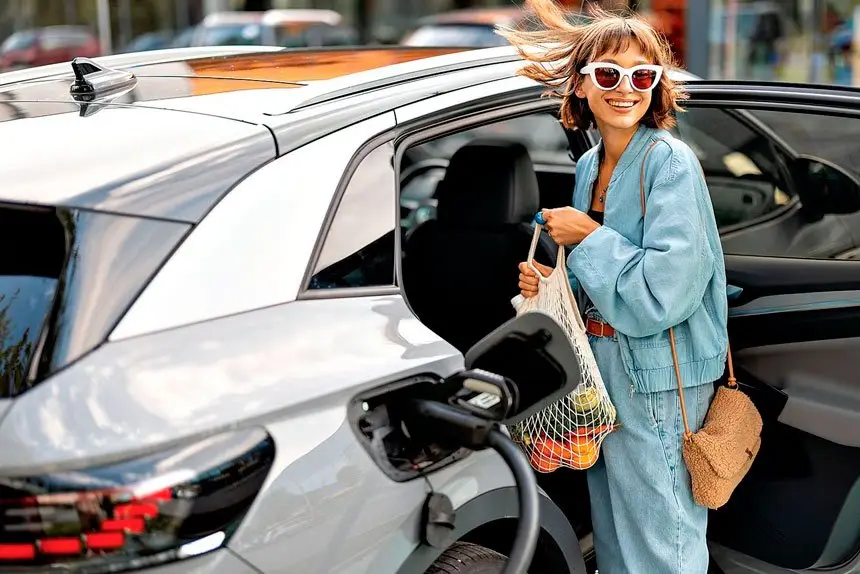
YOU will pay far less to charge an electric vehicle (EV) than to refuel a petrol car for the same distance – but costs vary widely depending on how and where you plug in.
Using a smart charger to draw from rooftop solar can cost as little as 10 cents per kilowatt-hour (kWh), or almost nothing if you’re using “excess” solar power.
Off-peak grid charging may be around 20c/kWh. For an EV with a 60kWh battery, that’s about $6-$12 for a full charge, enough to travel 300-400km.
On the road, ultra-fast public chargers can cost up to 60c/kWh, or around $36 for a 60kWh battery. By comparison, driving the same distance in a petrol car costs nearly $50 at Sydney’s average fuel price of 203.5c per litre.
Understanding charging speeds
EV charging works much like charging a phone, with speed measured in kilowatts and battery capacity in kilowatt-hours. On average, EVs use 18kWh per 100km.
- Level 1 (1.4-2.4kW): Trickle chargers, using standard power points, add 10-15km per hour. Best for overnight charging.
- Level 2 (7-22kW): Wallbox or “destination” chargers add 40-120km per hour. Found at homes, car parks, hotels and shopping centres.
- Level 3 (25-350kW): Rapid DC chargers at highways can add 150-300km in an hour. Ideal for long trips but the most expensive.
Home charging is cheapest
If you have off-street parking, home charging is usually the best option.
A Level 2 wallbox charger costs $1000-$2000 plus installation.
Pairing charging with rooftop solar maximises savings, as do overnight off-peak tariffs at 20c/kWh.