

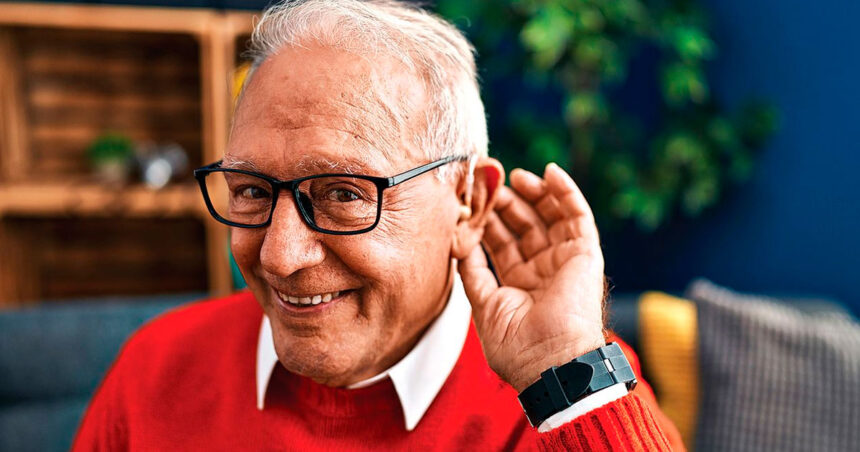
FOR years, hearing loss has been treated as a simple inconvenience – as something people shrug off as part of ageing, something to “get by” with until it becomes too disruptive to ignore.
But global research is revealing a very different story, showing that untreated hearing loss in midlife may be one of the most important and overlooked factors in dementia risk.
Large international reviews, including the influential Lancet Commission on Dementia Prevention, now identify untreated midlife hearing loss as the largest, or equal-largest, modifiable risk factor for dementia.
It is estimated to contribute to around 7-8 per cent of dementia cases that might otherwise be prevented or delayed, a greater impact than smoking, high blood pressure, diabetes, inactivity or social isolation.

Researchers believe hearing loss accelerates cognitive decline through several pathways. When hearing is reduced, the brain must work significantly harder to decode sound, drawing energy away from memory, thinking and processing. Over time, many people with untreated hearing loss begin withdrawing from conversations and social activities because listening becomes exhausting or frustrating, and this isolation is a well-known contributor to cognitive decline.
While the statistics may sound alarming, the good news is that early intervention works. Research shows that proper hearing care can reduce cognitive strain and help people stay socially and mentally active for longer.
This means regular hearing checks from midlife onward, professional assessment rather than self-diagnosis, and properly fitted hearing aids paired with ongoing support and rehabilitation to ensure people adapt well.
Health experts argue that hearing loss should be viewed much like high blood pressure: a common condition that, when managed early, can reduce the risk of more serious problems later in life. Treating hearing loss is about more than improving communication – it is about supporting long-term brain health.
Simple actions taken today – booking a hearing test, encouraging loved ones to do the same, protecting hearing from loud noise, staying socially active – can shape cognitive health decades into the future.
Dementia is not an unavoidable part of ageing. Research suggests that up to 40 per cent of dementia cases may be linked to modifiable risk factors.
Hearing loss stands out as one of the most influential among them and by treating hearing loss early, people can reduce cognitive strain, maintain social activity and support a healthier brain.