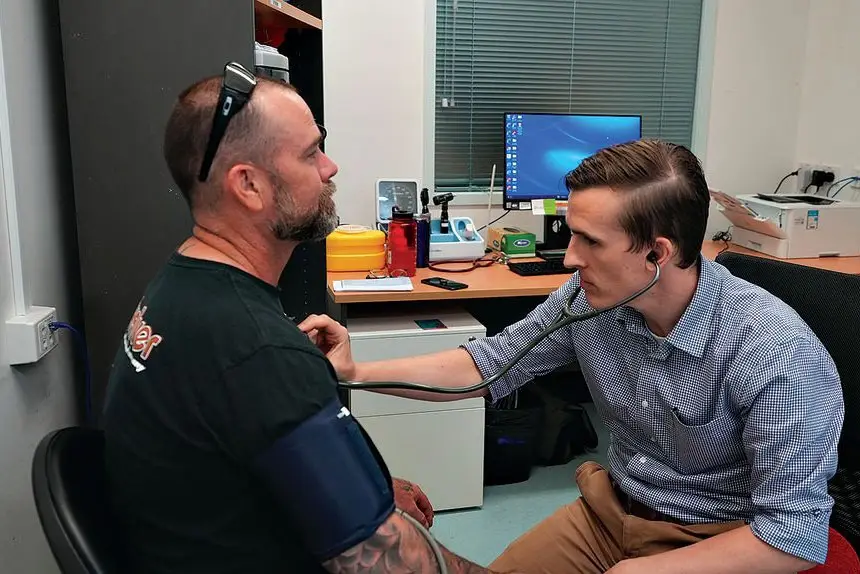
HEART Health Month is a time to raise awareness about the importance of looking after our hearts – a crucial focus in Ipswich, where 3.8 per cent of the local population has been diagnosed with heart disease.
Heart emergencies don’t just happen in hospitals; they can strike anywhere – at home, at work, in sporting venues, or public spaces.
Often without warning, these situations demand quick action, and in those first few vital minutes, knowing what to do can mean the difference between life and death.
Cardiovascular disease remains one of Australia’s leading health challenges, responsible for one in four deaths nationwide.
Each year, around 57,000 Australians suffer a heart attack.
That’s someone hospitalised roughly every nine minutes – with an average of 19 people dying daily.
Sudden cardiac arrest presents an even more immediate threat, affecting more than 32,000 Australians annually.
Outside hospital settings, survival rates sit at just 10 per cent when no immediate help is given, while timely intervention by bystanders can dramatically improve outcomes.
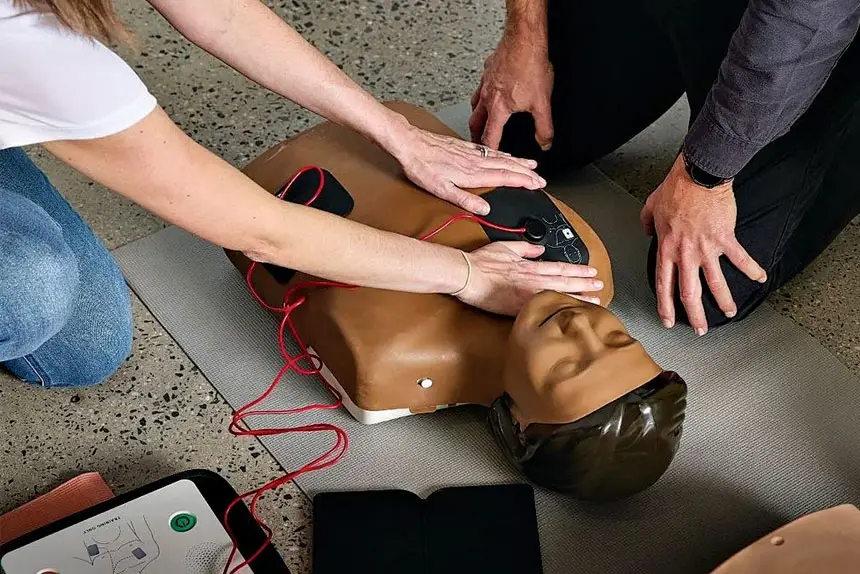
“Survival rates increase significantly when CPR is started immediately and an Automated External Defibrillator (AED) is used within the first few minutes,” National First Aid Courses Director Samuel Bohr said.
“First aid skills are practical, lifesaving actions that can make a real difference for the people we care about.”
Recognising the signs of a heart attack is a critical first step. Common symptoms include chest pain or pressure, shortness of breath, nausea or vomiting, sweating, dizziness, or discomfort radiating to the arms, neck, jaw, or back.
Symptoms can vary between individuals, which is why any suspected heart attack should always be treated as a medical emergency.
Research consistently shows that bystander intervention can be decisive in cardiac emergencies.
“Calling for help, starting CPR, and using an AED are not specialist skills – anyone can learn them,” Mr Bohr said.
With heart disease continuing to claim thousands of lives each year, widespread first aid training is one of the most effective ways to improve community safety.
National First Aid Courses provides accredited training across Australia. During Heart Health Month, residents are asked to refresh their knowledge, learn life-saving skills, and make their community safer.