NAPLAN testing has officially ended, with the Australian Curriculum, Assessment and Reporting Authority confirming the successful delivery of the national assessments across all Australian states and territories – including schools in Queensland and northern New South Wales that were impacted by ex-Tropical Cyclone Alfred.
Local educators have praised both students and staff for their adaptability and determination throughout this year’s assessments.
Sarah Thomas, a literacy coordinator at a primary school in Ipswich, was pleased with the performances from students.
“Our Year 5 students showed incredible focus, even after all the disruptions from the weather. They came in prepared and gave it their best.”
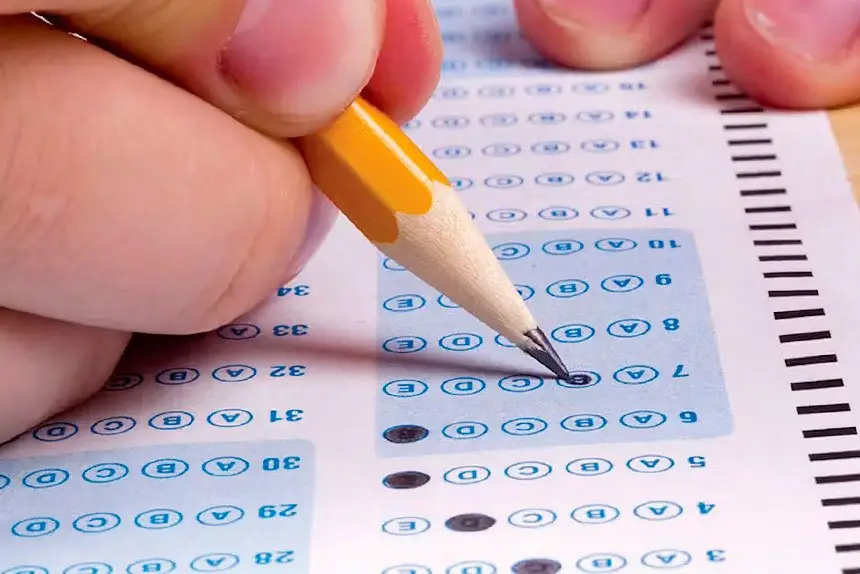
More than 1.3 million students across more than 9400 schools completed over 4.5 million online tests during the NAPLAN testing window, making it one of Australia’s largest education operations.
ACARA CEO Stephen Gniel thanked everyone involved, including students, teachers, parents, and education authorities, for their contributions to another successful year.
Mr Gniel also acknowledged the continued collaboration between ACARA, state and territory departments, and Education Services Australia, which manages the online assessment platform.
He noted that recent changes to the assessment schedule have had a positive impact on the way results are used in schools.
NAPLAN is the only national assessment that tracks literacy and numeracy progress in Years 3, 5, 7, and 9 over time.
Since 2023, the test has been held in March instead of May, allowing for a quicker turnaround of results.
“The earlier testing window and quicker results mean schools can act on data when it really counts,” Mr Gniel said.
“This helps us better support student learning throughout the year.”
This year also marks the second NAPLAN cycle using the new proficiency standards, which increase in complexity as students progress through the testing years.
For students in Years 5, 7, and 9, the 2025 assessments provide a direct opportunity to track their growth since 2023, offering valuable insights into how individuals and cohorts are developing.
Schools will begin receiving preliminary results – excluding writing, which takes longer to mark – early in Term 2,
about four weeks after the testing period ended on March 24.
Full results, including writing, are expected by June, and parents will receive their child’s Individual Student Report early in Term 3.