
A simple piece of technology is making a significant difference for patients with chronic wounds at Ipswich Hospital, helping reduce treatment delays, improve healing outcomes and ease pressure on the public health system.
More than 450,000 Australians live with chronic wounds, with leg ulcers among the most common conditions requiring ongoing treatment.
These wounds often require compression therapy to heal, but until recently many Ipswich patients faced a frustrating catch-22.
Before receiving compression therapy, patients needed an arterial assessment to ensure blood flow to the legs was adequate. Traditionally, that assessment required an ultrasound scan, however many imaging providers were unable or unwilling to perform the procedure on patients with open wounds.

According to Ipswich Hospital Clinical Nurse Consultant Kelly Carmont, the situation often left patients trapped in a cycle of referrals and delays.
“We couldn’t heal the wounds because we couldn’t use compression, but we couldn’t even get the patient assessed for compression suitability because we couldn’t get the specialist imaging done in a timely way,” Ms Carmont said.
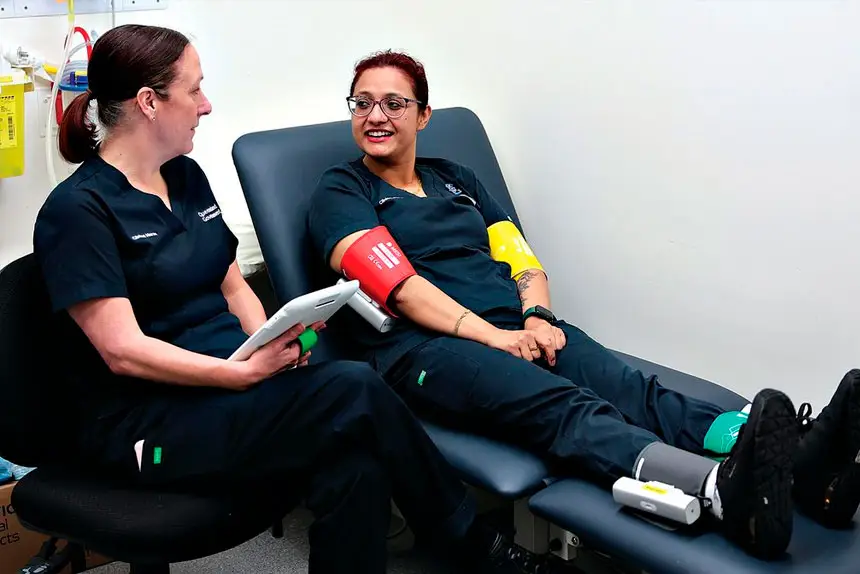
That changed with the arrival of a new MESI mTABLET Ankle-Brachial Index (ABI) device, donated through the West Moreton Health Foundation.
The portable device uses automated blood pressure cuffs to assess arterial blood flow in the lower legs, allowing clinicians to quickly determine whether compression therapy is safe and appropriate.
“The MESI has changed the way that we run our service,” Ms Carmont said.
“Now, when people come to see us, they can be assessed almost immediately and moved through to the next stage of treatment. We’re using it on 90 per cent of our patients.
“I can confidently say a lot of the more chronic patients we were seeing for maintenance appointments have now been discharged because they’re to a point that their wounds have improved.”
West Moreton Health Foundation chief executive Scott Young said the donation highlighted the value of
listening to frontline healthcare workers.
“We are committed to supporting hospital staff, like Kelly Carmont and the wound team at Ipswich Hospital, because they’re best placed to see what’s needed for their services,” he said.