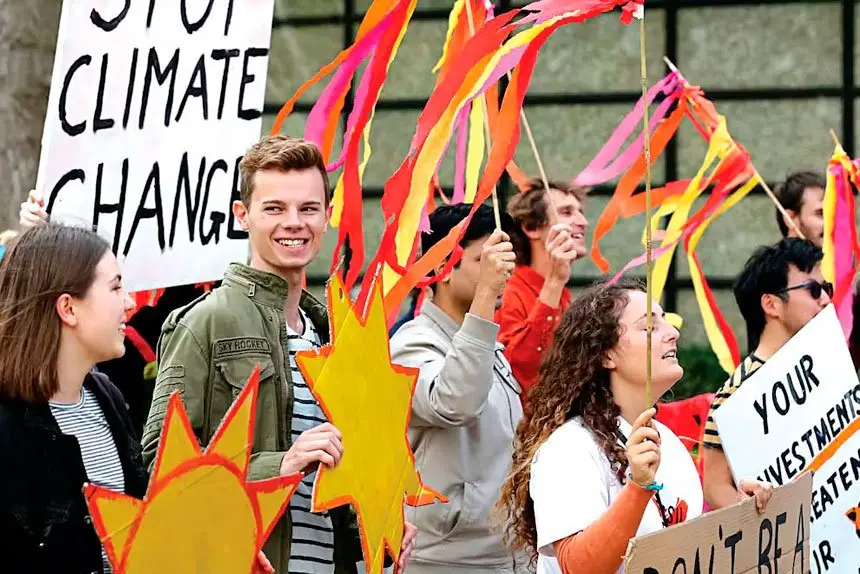
A GENERATIONAL shift is set to reshape Australian politics, with Millennials and Gen Z voters poised to become the dominant electoral force for the first time in the 2025 Federal Election.
A new report from Monash University’s Centre for Youth Policy and Education Practice revealed that younger voters will outnumber Baby Boomers and Gen X in every state and territory, marking a turning point that could significantly influence national policy and priorities.
Ipswich suburbs are no exception to this trend, with younger voters voicing their concerns about issues that directly affect their lives.
Sophie, 19, from Leichardt, shared her frustration about housing.
“Affordable housing is a huge issue,” she said.
“I’m still living with my parents because I can’t afford to rent a place of my own. It’s frustrating … because there’s no clear plan for young people like me to get a place of our own.”
The report found that 74 per cent of voters under 24 want immediate government action on affordable housing, making it the top priority among this age group.
With mental health a growing concern for young Australians, the report found that one in five rated their mental health as poor or very poor, and 98 per cent reported experiencing anxiety or pessimism in the past year.
“Mental health is something that isn’t talked about enough, especially for my generation. Everyone I know struggles with anxiety or stress, whether it’s school, work, or just trying to get by,” said 20-year-old Springfield resident Emma.
Professor of Education, Culture and Society at Monash and CYPEP Director Lucas Walsh said the demographic would be a game changer this election.
“It’s a critical moment because this shift brings a new set of expectations and concerns to the forefront of political debate.”
Despite these pressing concerns, many young voters, including Jessica, 21, from West Ipswich, are frustrated with the lack of meaningful action.
“The way our communities are run feels disconnected from what we need,” she said.
“There’s a lot of talk about gender equality, but I don’t see many policies that really address how women are treated at work or in public life.”