
ON courts across Australia, from suburban parks to regional clubs, a quiet sporting revolution is taking place.
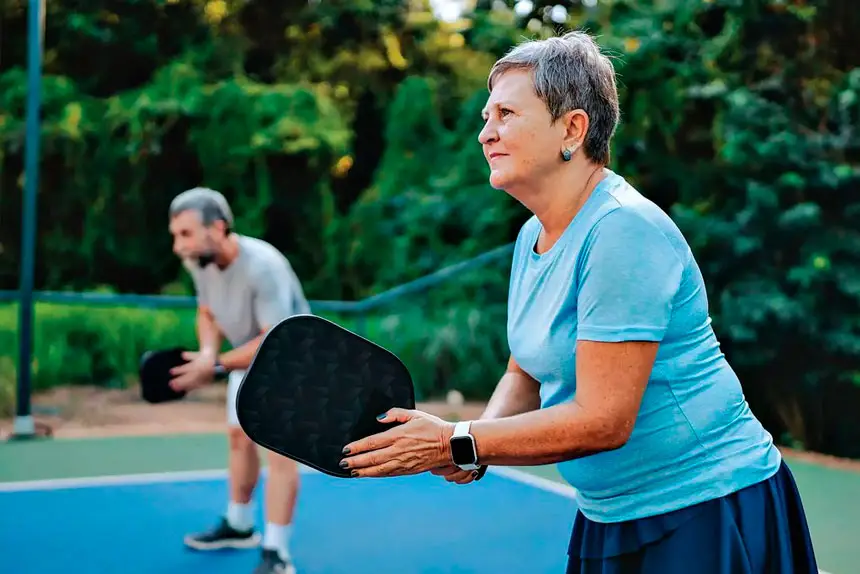
The distinctive pop of paddle on ball has become the soundtrack to mornings for a growing number of Australians over 50, as pickleball cements itself as the game of choice for older generations.
Once a niche pastime, pickleball is now one of the fastest-growing sports globally and in Australia, with tens of thousands of Australians taking up the game in recent years.
But behind the surge lies a clear demographic driver: seniors.

Pickleball’s appeal begins with its simplicity. Played on a smaller court than tennis and with a slower-moving ball, the game is easier on the body while still offering a competitive edge.
It is this balance that has made it particularly attractive to older players.
The sport’s low-impact nature reduces strain on joints, making it ideal for those managing arthritis or mobility concerns, while still delivering a full-body workout.
For many, it offers a second chance at sport – a way to stay active without the physical demands of more intense games.
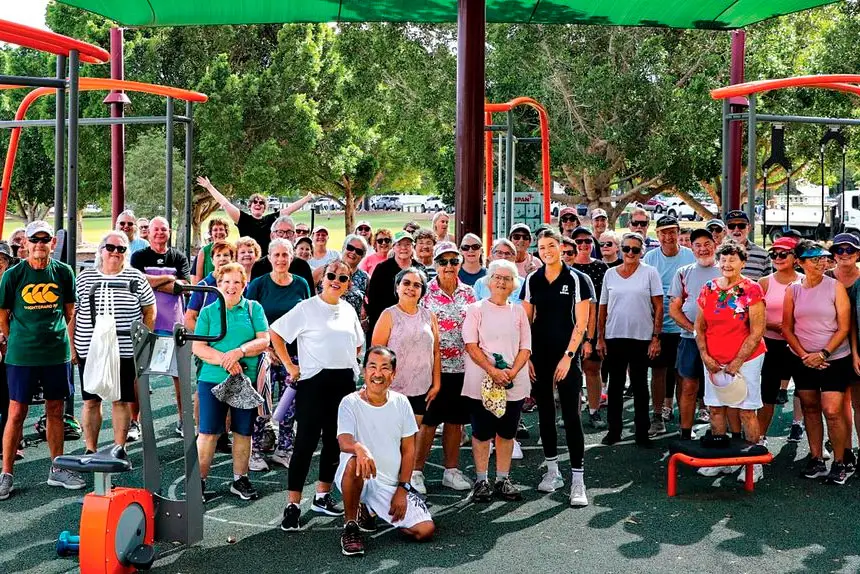
While the physical benefits are significant, it is the social element that truly sets pickleball apart. Clubs and community courts have become hubs of connection, where retirees and over-50s gather not just to play, but to belong.
For many older Australians, particularly those transitioning into retirement, pickleball fills a crucial gap, replacing workplace social networks with a new sense of community and routine.
The numbers reflect the trend with older players continuing to make up a significant portion of regular participants, with many continuing well into their 60s and 70s.
Its popularity also reflects a broader cultural shift. Today’s over-50s are redefining ageing, prioritising activity, connection and wellbeing over sedentary lifestyles.
Sports like pickleball are increasingly seen as essential tools in maintaining not just physical health, but also cognitive sharpness and emotional resilience.
The combination of movement, strategy and social interaction offers benefits that extend far beyond the court.
Like any sport, pickleball is not without risks, and injury rates have increased as participation has grown.
However, experts suggest the greater risk lies in inactivity.
What began as a backyard pastime has evolved into a global phenomenon, and in Australia its momentum shows no signs of slowing.
For the over-50s, pickleball is more than just a sport – it is a lifestyle, a social lifeline and, for many, a rediscovery of joy in movement.