

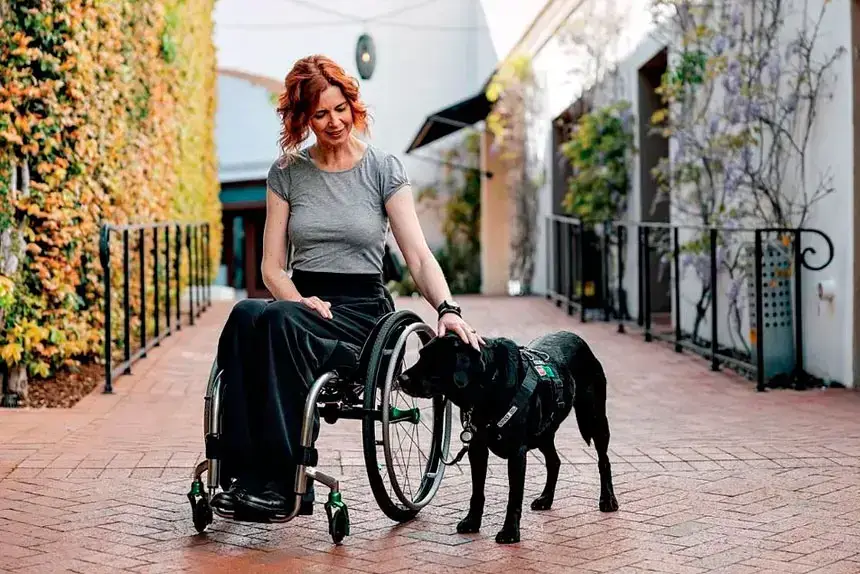
MOST accessibility fixes still happen after something goes wrong.
A ramp appears only after complaints. An Auslan interpreter is booked once someone asks. A quiet space is created when it’s already too late to make a difference.
But across Australia, a growing number of venues, events and community spaces are taking a different approach – building accessibility in from day one, rather than patching it on later.
When access is planned early, it becomes part of how a place works, not an awkward add-on. Step-free entrances are easy to find instead of hidden out the back. Signage is clear and legible without assuming everyone can see, hear or process information quickly. Seating works for different bodies, energy levels and mobility needs.

Importantly, accessibility planning increasingly goes beyond physical access. Sensory considerations, predictable layouts, clear communication and flexible ways to participate are being factored in from the outset. When these elements are built into design, people with disability don’t have to ask for adjustments or explain their needs – they can simply turn up and take part.
Events are where the difference is often most visible. For many people with disability, attending a festival or community gathering has traditionally meant negotiating access in advance through emails, phone calls and repeated explanations. Events that plan inclusion early remove that burden.
Some organisers now publish detailed access information alongside ticketing details, outlining seating options, accessible toilets, quiet spaces and Auslan interpretation as standard features. Others consult directly with people with disability during the planning process, rather than relying on assumptions. The result is greater confidence among attendees, reduced anxiety and increased participation – without requiring people to disclose or justify disability.
Community spaces such as libraries, pools and neighbourhood centres are also showing how inclusive design can work in practice. Spaces that function well tend to share common traits: layouts that are easy to navigate, consistent lighting that reduces sensory overload, staff who are trained to respond confidently and respectfully, and facilities that are genuinely usable rather than technically compliant.
Planned accessibility sends a different message: you were expected here.
That sense of belonging matters. It influences whether people return, participate regularly or recommend a space to others. It also builds trust between communities and the organisations that serve them.
The benefits of inclusive design extend well beyond disability. Parents with prams, older people, people recovering from injury, neurodivergent individuals and anyone dealing with crowds, fatigue or heat all benefit from clear information, flexible spaces and comfortable environments. Accessibility, in practice, improves usability for everyone.
The venues and organisations getting accessibility right are not claiming perfection, but they are being intentional.
They treat access as a marker of quality, not an optional extra. As more groups recognise the practical benefits – fewer complaints, stronger attendance and deeper community trust – the argument that accessibility is too difficult or too costly is becoming harder to sustain.
When inclusion is planned from the start, people with disability don’t have to fight to be included. They are already part of the picture.
Disability Support Guide