WHAT a worrying time it is at the moment, a time when most seniors are having difficulties grappling with the financial situation as it stands, paying bills, maybe a mortgage, or a rental situation that’s not quite ideal.
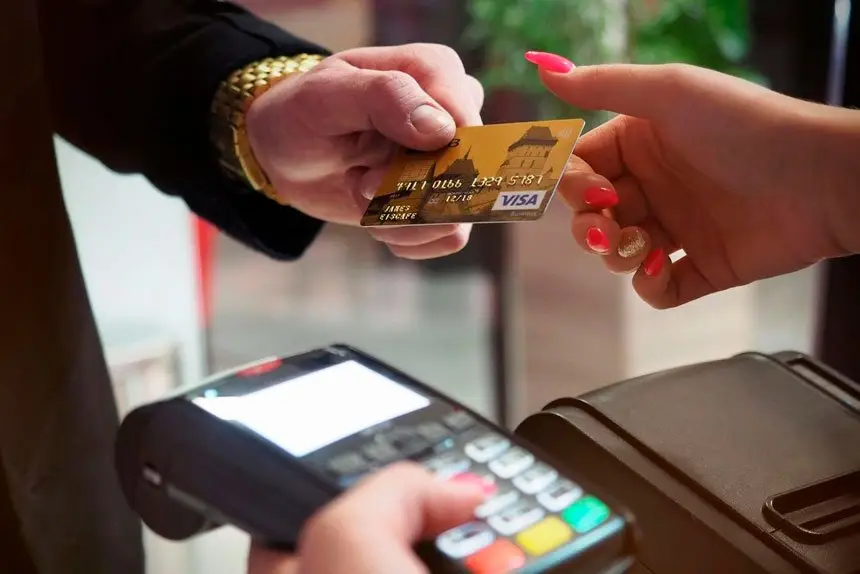
And along comes another. We hear that the banks are deciding that we don’t need cash to transact our business any more. They say that so few people are using cash, they may phase it out eventually. They say that most people are using BPAY and credit/debit cards and the internet to transact their business. Maybe they have been, maybe it is quicker.
BUT: What if you have resisted the internet and don’t yet have a computer, are not sure how to work this electronic banking, still write cheques etc. AND what happens if the power goes off, how do we then buy the essentials, the food or pay the rent.
Scams and the money that people lose on the internet or phone calls are growing every day. Many older folk and even the ordinary person can be taken in by these very “smart” people on the dark web. Financial advisers like Scott Pape (The Barefoot Investor) may have to rethink some of the ideas regarding children saving money in jars for this and that. What will happen then. How do you give the kids their allowance, how do grandparents give them monetary gifts, for Christmas or birthdays or at other times? It seems to be getting very impersonal for some reason.
Some people on pension day go to the bank, draw out the money they need and place the required amount into envelopes so that the money is put aside for each bill or expense.
Word is that in not that many years, there won’t be any cheques or cash transactions made, it will all be done on the internet via computer, phone or tablet.
Many years ago, workers would be paid in cash which was placed in envelopes, together with a summary of hours worked (remember that) and given out every Thursday or Friday (week or fortnight) depending on your pay date.
Then some years ago a change, a direct debit to your bank account, saw your wages go in, unless there was a power shortage, and for those who don’t have spare cash then you were up the creek for a few days explaining to people why the funds weren’t there to pay your bills.
It seems that banknotes in circulation remain high in Australia as it is widely used as a store of wealth, but cash usage has dropped to just 13 per cent of transactions as apposed to 27 per cent a couple of years ago.
In a recent inquiry in Sweden, the country closest to becoming cashless, it seems like the state needed to assume a greater responsibility for everyone being able to make cash payments. They were the first country in Europe to bring in the banknote in 1661 and the first to virtually phase them out only last year.
It seems that we Seniors, however old you are, must endevour to try as best we can to fit into the system as we know it.