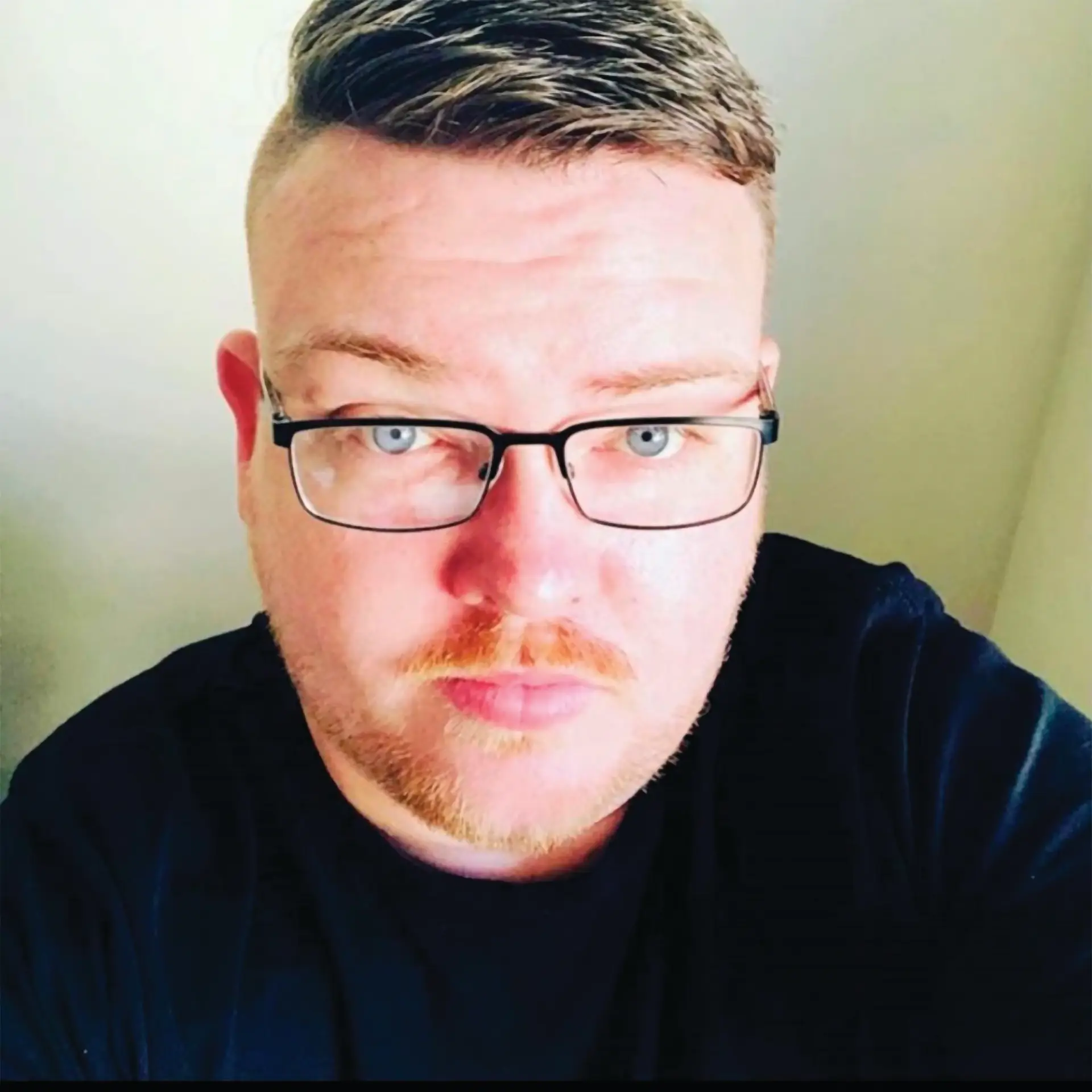
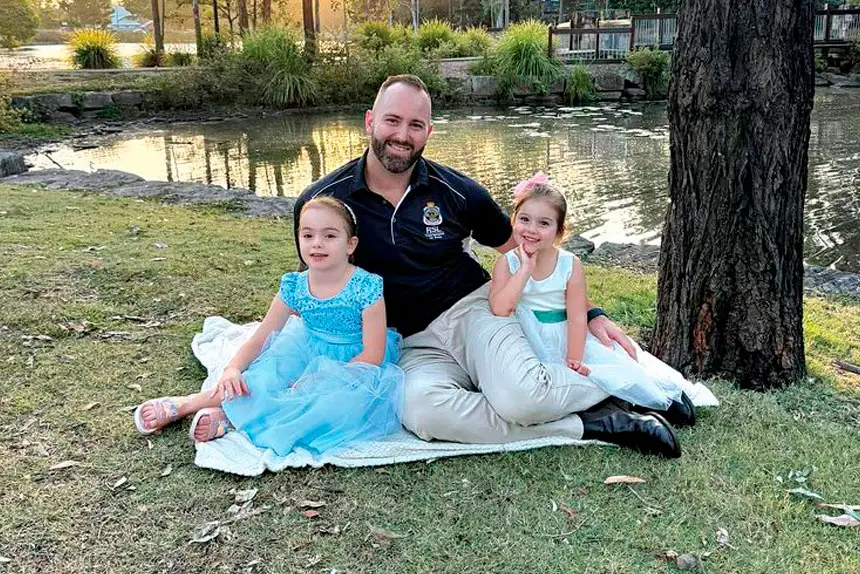
FOR Brad Barr, joining the Navy straight out of school wasn’t part of some lifelong plan – it was a decision shaped by curiosity, family influence, and a desire to do something more.
Growing up on the Gold Coast, Mr Barr was looking for a path that offered more than the familiar. The military presented an opportunity to travel, build a career, and challenge himself.
He originally considered joining the Army, but after being waitlisted, a pivot towards the Navy set him on a new path.
Training marked a sharp contrast from his coastal upbringing. Moving to Victoria for recruit school meant swapping sunshine for cold, mangrove-lined landscapes – but it was a challenge he embraced.

“It was full-on, but I loved it,” he said.
“Being part of a team, learning discipline, learning how to lead – it was a great experience.”
After nearly two decades of service, Mr Barr faced one of the most challenging chapters of his life: transitioning to civilian life.
“It’s complex,” he said.
“I wasn’t fully prepared.
“You go from a structured, high-paced environment to suddenly … nothing.
“You lose that sense of purpose.”
Mr Barr is passionate about improving awareness around mental health, both within the military and beyond.
The turning point for him came not from within, but through helping others.
During a particularly difficult period following his medical separation, he describes feeling “broken” – stuck at home, unsure of who he was without the uniform.
This is what led him to the Greater Springfield RSL Sub Branch, where he is now Deputy President.
“It gave me purpose again,” he said.
“Helping other veterans –people who understand what you’ve been through – it makes a difference.”
Mr Barr believes organisations like the RSL must continue evolving to remain relevant –particularly as younger veterans return to civilian life.
“If we don’t adapt, younger veterans just won’t engage,” he said.
“Some walk into an RSL and feel like they’re back in the military, and that’s not what it should be.”
At Greater Springfield, there’s a strong focus on inclusivity, accessibility, and community –values Mr Barr sees as essential for the future.
“There’s no rank here,” he said. “We’re here to support everyone.”
What stands out most in Mr Barr’s journey, however, is not just the struggle, but the rebuild.
After years of uncertainty, he has come out the other side.
The sense of being “broken” no longer defines him. Instead, it has become part of a much larger story – one of resilience, growth, and rediscovery.
“It’s taken a long time,” he said.
“It hasn’t been easy. But I’ve found my purpose again.”
With the support of family, friends, and the veteran community around him, Mr Barr has rebuilt not only his routine, but his identity.
For those thinking about joining the Australian Defence Force, he offers simple but important advice.
“Go for it, but understand why you’re doing it,” he said.
“It’s an incredible experience, but you need to know what you’re signing up for.”
And for veterans struggling with the transition back to civilian life, his message is grounded.
“Don’t do it alone,” he said. “Lean on your support network. Reach out.
“There are people who want to help.”