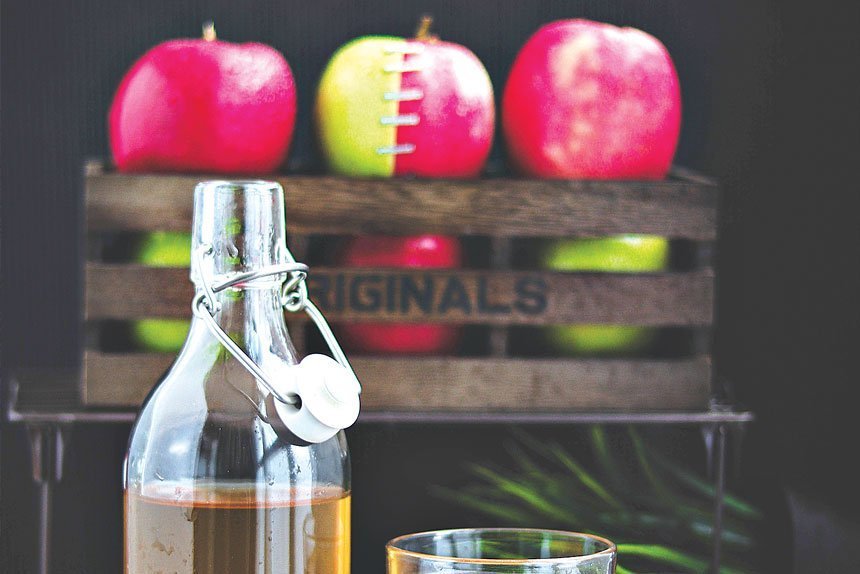
FOR a long time, the Australian cider industry has relied on using popular apple varieties such as Pink Lady, Granny Smith or Gala apples which are not best suited for the making of Apple cider.
Few makers used cider specific apples for their product, probably because the apples that the European cider industry used were hard to obtain in Australia.
These special apples are not particularly palatable to eat, but because of their balance between acidity and sugar are perfect to create this alcoholic beverage.
NSW hobbyist, Mr. David Pickering has spent some years investigating the growing of different varieties of apples suitable for the apple cider industry and has teamed up with the NSW department of primary industries to duplicate his research into the 34 varieties of trees growing at his farm in Orange.
The DPI are now ready to begin a breeding program and are hoping that cider manufacturers will get on board and take budwood cuttings to grow their own trees.
Mr. Pickering said that only about eight per cent of the bottled product sold here comes from cider specific trees.
“These trees take a while to grow it’s not going to happen quickly but will gradually happen over time”.
It is a craft much like wine making and could take around five years to harvest a crop, making it difficult to convince cider producers to make the jump to cider apples.
“You can’t fool around with it and make it six months later,” he said.
The making of apple cider is an interesting and complicated process.
Fresh hand-picked red apples are harvested at the right time, packed safely on a truck and cold transported to the factory where a long day is spent on crushing the apples and then pressing out the fresh juice, ready for fermentation.
Fresh apple juice is pumped into stainless steel tanks to undergo a careful fermentation process.
After fermentation the cider is then pumped into another stainless-steel tank for the aging process.
After a number of hours, the cider is ready for the final adjustments and filtration.
The cider is then pumped into a brite tank for its gentle carbonation process.
After a few taste tests it’s ready for bottling and then drinking.
Most companies are spending a lot of time, improving, adding other ingredients and flavours to their initial brew as well as streamlining the process.
The next time you want a cold refreshing drink, a glass of apple cider might go down well on a hot summer’s day.
Those of you who like to cook a piece of pork shoulder in a slow cooker all day might consider a half a bottle of dry apple cider cooked in with the pork.
And a glass of sparkling apple cider to drink with the meal. Sounds decadent!
Till next time.