

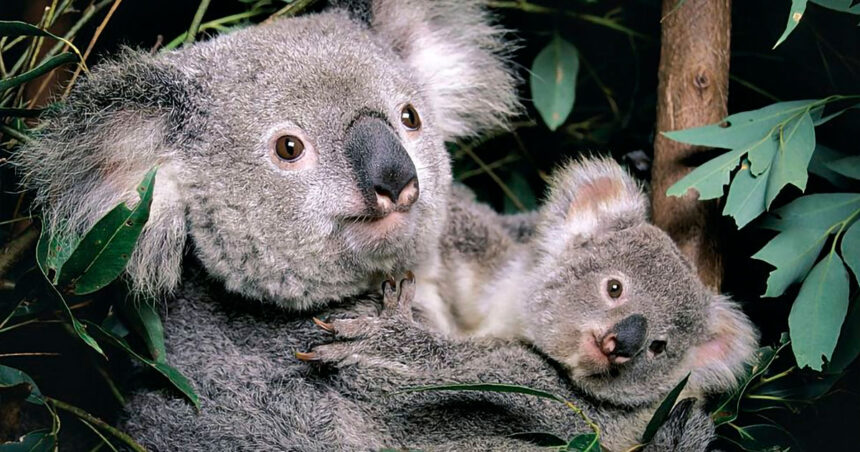
KOALA carers have said Save the Koala Month is arriving at a critical time for the region, with habitat loss continuing to place pressure on one of Australia’s most recognisable animals.
Running from September 1 to 30, the Australian Koala Foundation’s annual campaign encourages schools, workplaces and community groups to raise awareness and funds for conservation.
But for long-time Ipswich wildlife advocate Ruth Lewis, the message is far more urgent.
Ruth has spent more than 30 years rescuing, rehabilitating and releasing koalas through the Ipswich Koala Protection Society.

The group began in 1994 as the Woogaroo Koala Protection Society in response to habitat destruction at Springfield, and Ruth says the situation has only worsened since then.
“Koalas are now listed as endangered, and there’s only one step after that,” she said.
“The biggest threat is the destruction and loss of habitat. Every day, everywhere you look, there’s wildlife needing help – people need housing, but so do koalas.”
The society still operates a dedicated 24/7 koala ambulance, which Ruth says has travelled more than 17,000 kilometres in six months responding to rescues across Ipswich.
Ripley and Deebing Heights remain hotspots, with the group collecting injured or deceased koalas along the Centenary Highway at least once a week.
Ruth said protecting habitat was essential not only for koalas but for many threatened species.
“By protecting koala habitat, you’re protecting everything that lives within it,” she said.
“Hospitals are popping up everywhere now because there’s such a need, but that’s a Band Aid fix. We need to stop destroying what’s left.”
The Australian Koala Foundation says Save the Koala Month gives communities a chance to turn concern into action, whether through donations, planting trees or taking part in the new Favourite Creature Day on September 25.
Ruth hopes residents will use the month to reflect on what future generations stand to lose.
“It’s an uphill battle every day,” she said. “This is a special country, and we need to learn how to share it with our wildlife.”